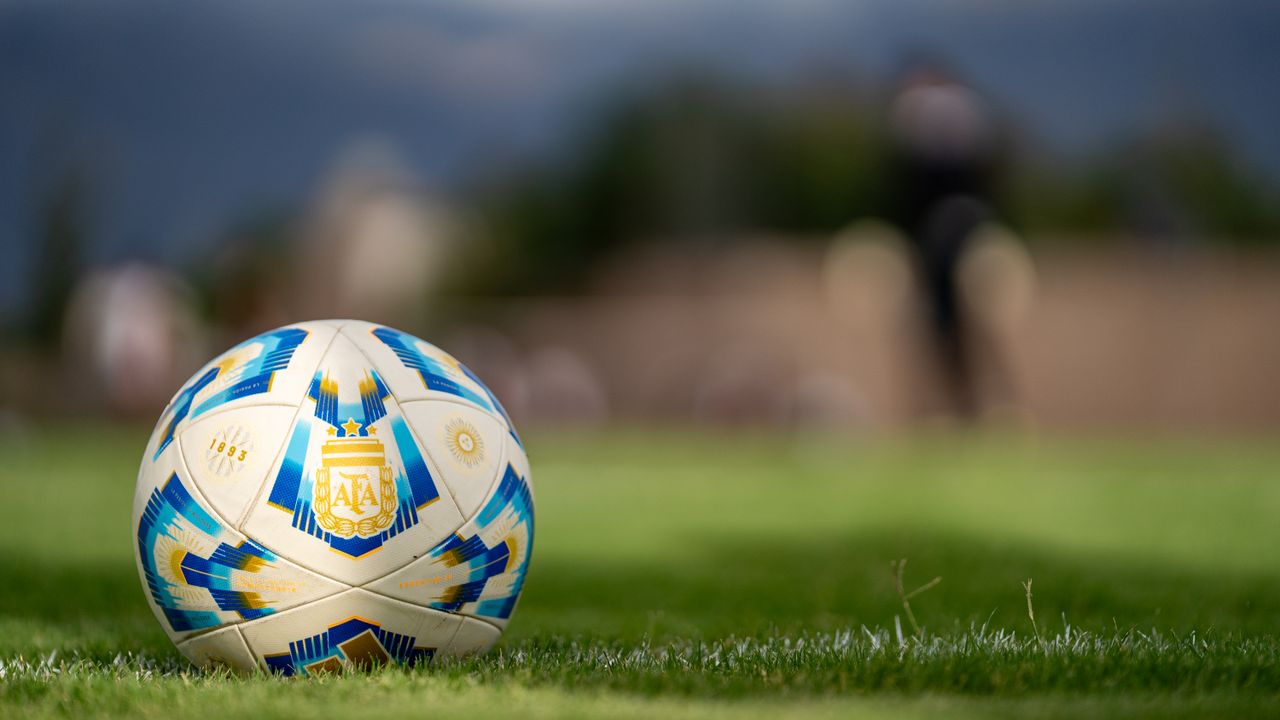
Featured coverage image. Source: Editorial desk.
Get the latest on the June 14th FIFA World Cup 2026 fixtures as we analyze key matchups including Germany vs. Curaçao and Netherlands vs. Japan. Discover expert predictions and how the new 48-team format is shaping the early tournament landscape.
Get the latest on the June 14th FIFA World Cup 2026 fixtures as we analyze key matchups including Germany vs. Curaçao and Netherlands vs. Japan. Discover expert predictions and how the new 48-team format is shaping the early tournament landscape.
The FIFA World Cup 2026 is officially underway, and football fever is gripping the globe! After kicking off on June 11, 2026, this expanded tournament, co-hosted by Canada, Mexico, and the United States, is already delivering captivating clashes and unexpected moments [2]. Today, June 14, 2026, promises another thrilling day of group stage action as teams battle for supremacy and crucial points in their quest for knockout stage qualification.
This edition marks a significant evolution for the World Cup, featuring an unprecedented 48 teams, an increase from the 32 in previous tournaments [4]. These teams are divided into 12 groups of four, with the top two from each group and the eight best third-placed teams advancing to a new Round of 32 [4]. This expanded format guarantees more matches – a staggering 104 games over 39 days – and introduces an exciting new dynamic to the early stages of the competition [4]. The final will be played on July 19, 2026, at New York New Jersey Stadium in East Rutherford, New Jersey [3].
As the tournament settles into its rhythm, every match becomes a pivotal moment. Let's dive into today's highly anticipated fixtures and analyze what we can expect from these early-stage battles.
Today's schedule features four exciting Group E and Group F encounters, showcasing a mix of established footballing giants and ambitious contenders looking to make their mark on the world stage [6]. These matches are vital for setting the tone in their respective groups and building momentum.
Here’s a look at the matchups for today, June 14, 2026:
| Matchup | Group | Stadium | Kickoff (ET) |
|---|---|---|---|
| Germany vs. Curaçao | Group E | Houston Stadium | 1 p.m. |
| Netherlands vs. Japan | Group F | Dallas Stadium | 4 p.m. |
| Ivory Coast vs. Ecuador | Group E | Philadelphia Stadium | 7 p.m. |
| Tunisia vs. Sweden | Group F | Monterrey Stadium | 10 p.m. |
Germany, a perennial powerhouse, enters this tournament as one of the favorites, boasting a rich World Cup history and a squad brimming with talent. Curaçao, making their World Cup debut, faces a formidable challenge against the four-time champions. This match is expected to be a stern test of Curaçao's resilience and tactical discipline.
Germany comes into this tournament with a strong run of results in their qualification campaign, showcasing a blend of experienced veterans and exciting young prodigies. Midfielder Jamal Musiala, a standout performer in recent international friendlies, will be key to their attacking prowess, linking play and creating opportunities. Head Coach Julian Nagelsmann emphasizes a high-pressing, possession-based style that aims to dominate opponents.
Curaçao, on the other hand, has surprised many by reaching this stage, demonstrating a compact defense and opportunistic counter-attacks. Their captain, Leandro Bacuna, provides crucial leadership and experience in midfield, having played in top European leagues.
"Curaçao's journey to the World Cup is a testament to their development program and sheer determination," notes Dr. Anya Sharma, a football development analyst at the Global Football Institute. "While they are massive underdogs, their unity and fighting spirit could make them a tricky opponent for any side."
Germany is widely expected to secure a comfortable victory in this opening fixture. While Curaçao will undoubtedly put up a valiant fight, Germany's superior quality, tactical sophistication, and depth should prove too much. We predict a 3-0 victory for Germany, allowing them to start their campaign with a strong statement.
This Group F encounter brings together two tactically astute nations: the Netherlands and Japan. Both teams are known for their organized play and technical ability, setting the stage for what could be a tightly contested match.
The Netherlands, under the guidance of Ronald Koeman, has been rebuilding and boasts an impressive defense led by Virgil van Dijk. Their midfield, featuring Frenkie de Jong, orchestrates play, while attackers like Cody Gakpo provide pace and finishing. The Oranje demonstrated strong performances in the lead-up to the World Cup, exhibiting a solid defensive foundation combined with incisive attacking movements.
Japan, the "Samurai Blue," is celebrated for its relentless work rate, quick transitions, and technical midfielders. Takefusa Kubo and Kaoru Mitoma are vital to their offensive thrust, capable of unlocking defenses with their dribbling and creativity.
"Japan consistently punches above its weight due to its exceptional team cohesion and disciplined tactical approach," states Kenji Tanaka, a sports journalist for the Tokyo Times. "They are capable of causing upsets against bigger names."
This match is difficult to call, given both teams' strengths. The Netherlands might have a slight edge in individual quality and aerial presence, but Japan's speed and tactical discipline could trouble them. A narrow victory for the Netherlands, perhaps 2-1, seems plausible, though a draw would not be a surprising outcome in this finely balanced contest.
Another Group E fixture sees the Ivory Coast take on Ecuador in a battle of physical prowess and vibrant attacking talent. Both nations will be eager to secure points, especially with Germany as the presumed group favorite.
The Ivory Coast, known as "The Elephants," possesses a powerful squad with a mix of European-based talent. Sébastien Haller leads their attack, a proven goalscorer, while Franck Kessié anchors the midfield with his strength and distribution. Their qualification campaign highlighted their robust defense and ability to score crucial goals. Coach Jean-Louis Gasset will be looking for a fast start to the tournament.
Ecuador, a physically imposing and dynamic side, qualified impressively from a tough CONMEBOL group. Moisés Caicedo is their midfield engine, a tireless worker who dictates the tempo, while Enner Valencia provides experience and finishing upfront.
"Ecuador's high-altitude home advantage in qualifiers translates into a relentless intensity they bring to every match, regardless of venue," explains Dr. Elena Rodriguez, a South American football expert at the University of Buenos Aires.
This promises to be a highly competitive and physical encounter. Both teams will likely adopt an aggressive approach, aiming to dominate the midfield. A draw, possibly 1-1, is a strong possibility, as both teams are evenly matched and will be cautious not to concede an early advantage in the group. If there's a winner, it will likely be by a single goal.
The final match of the day brings together Tunisia and Sweden from Group F, both teams known for their disciplined setups and counter-attacking threats. This late-night kick-off in Monterrey could be a tactical chess match.
Tunisia, the "Carthage Eagles," is known for its defensive solidity and quick breaks. Experienced forward Wahbi Khazri provides a creative spark and goal threat, while Ellyes Skhiri is a crucial presence in defensive midfield, shielding the backline. Tunisia's recent performances have shown a pragmatic approach, focusing on denying space and then exploiting opposition weaknesses.
Sweden, under manager Janne Andersson, is renowned for its collective strength and organized defensive structure, often frustrating opponents. Dejan Kulusevski offers flair and attacking impetus from wide areas, supported by a hardworking midfield.
"Sweden's strength lies in its collective discipline and ability to execute a game plan, often nullifying more flamboyant teams," observes Lars Johansson, a football analyst for Svenska Dagbladet.
This match is likely to be a tight affair with few clear-cut chances. Both teams will prioritize not losing, making a draw a very probable outcome. A 0-0 or 1-1 scoreline wouldn't be surprising. If a team can break the deadlock, it will likely be through a moment of individual brilliance or a set-piece. We lean towards a 1-1 draw, reflecting the defensive capabilities of both sides.
The expansion to 48 teams has fundamentally altered the World Cup landscape, increasing the number of matches from 64 to 104 and introducing a Round of 32 [3]. This change means that even third-placed teams have a chance to progress, adding an extra layer of strategy and excitement to the group stage.
"The 48-team format means that smaller nations have a greater chance to compete at the highest level, fostering global football development," says Gianni Infantino, FIFA President, who championed the expansion. "It also means more diverse matchups and unexpected narratives throughout the tournament." The 48-team format means that smaller nations have a greater chance to compete at the highest level, fostering global football development," says Gianni Infantino, FIFA President, who championed the expansion
Early trends in the 2026 World Cup suggest that teams are still finding their rhythm. The opening days have seen a mix of dominant performances from traditional giants and gritty displays from debutants like Curaçao and Jordan [8]. The host nations have also started strong, with Mexico securing a 2-0 victory over South Africa in the opening match and the United States defeating Paraguay 4-1.
The increased number of matches also presents a physical challenge for teams, requiring greater squad depth and careful player management to navigate the extended tournament duration. Teams that can adapt to the rigorous schedule and maintain peak performance will undoubtedly have an advantage as the tournament progresses towards the knockout stages.
As the group stage continues, every match holds immense significance. Teams will be vying for every point, knowing that the expanded knockout stage offers more opportunities for progression. The competition promises to be a marathon, not a sprint, with tactical adjustments and player rotation becoming increasingly crucial.
The coming days will further clarify which teams are true contenders and which might struggle to adapt to the intensity of the world's biggest football tournament. Stay tuned for more action, drama, and unforgettable moments from the FIFA World Cup 2026!
The FIFA World Cup 2026 features an expanded format with 48 participating teams, a significant increase from the previous 32 [4]. These teams are divided into 12 groups of four. The top two teams from each group, along with the eight best third-placed teams across all groups, will advance to a new Round of 32, before proceeding to the traditional knockout stages [5]. This format increases the total number of matches from 64 to 104.
The FIFA World Cup 2026 is being jointly hosted by three North American nations: Canada, Mexico, and the United States [3]. This marks the first time the tournament has been co-hosted by three countries. A total of 16 cities across these three nations are serving as host venues, including 11 in the United States, three in Mexico, and two in Canada [9].
The FIFA World Cup 2026 commenced on Thursday, June 11, 2026, with the opening match held at Estadio Azteca in Mexico City [2]. The tournament is scheduled to run for 39 days, culminating in the final on Sunday, July 19, 2026. The championship match will take place at the New York New Jersey Stadium in East Rutherford, New Jersey [3].
The expansion to 48 teams and the introduction of the "best eight third-placed teams" advancing to the Round of 32 significantly impact group stage strategy [4]. While winning the group remains ideal, teams now have a greater incentive to perform well even if they don't finish in the top two. Goal difference and overall points become even more crucial for third-placed teams hoping to progress, potentially leading to more attacking football in games that might otherwise have been considered dead rubbers.
Featured image by Franco Monsalvo on Pexels
AI BlogX is committed to high editorial standards. For time-sensitive or critical topics, please verify claims against original primary sources.
Authoritative and trend-focused coverage across business, sports, entertainment, health, lifestyle, politics, science, and technology.
More Desks
© 2026 AI BlogX. All rights reserved.
Trend-focused editorial workflow
Stories are monitored from trending signals, then processed for accurate summaries, fact-checking, and desk oversight.
Editorial policy