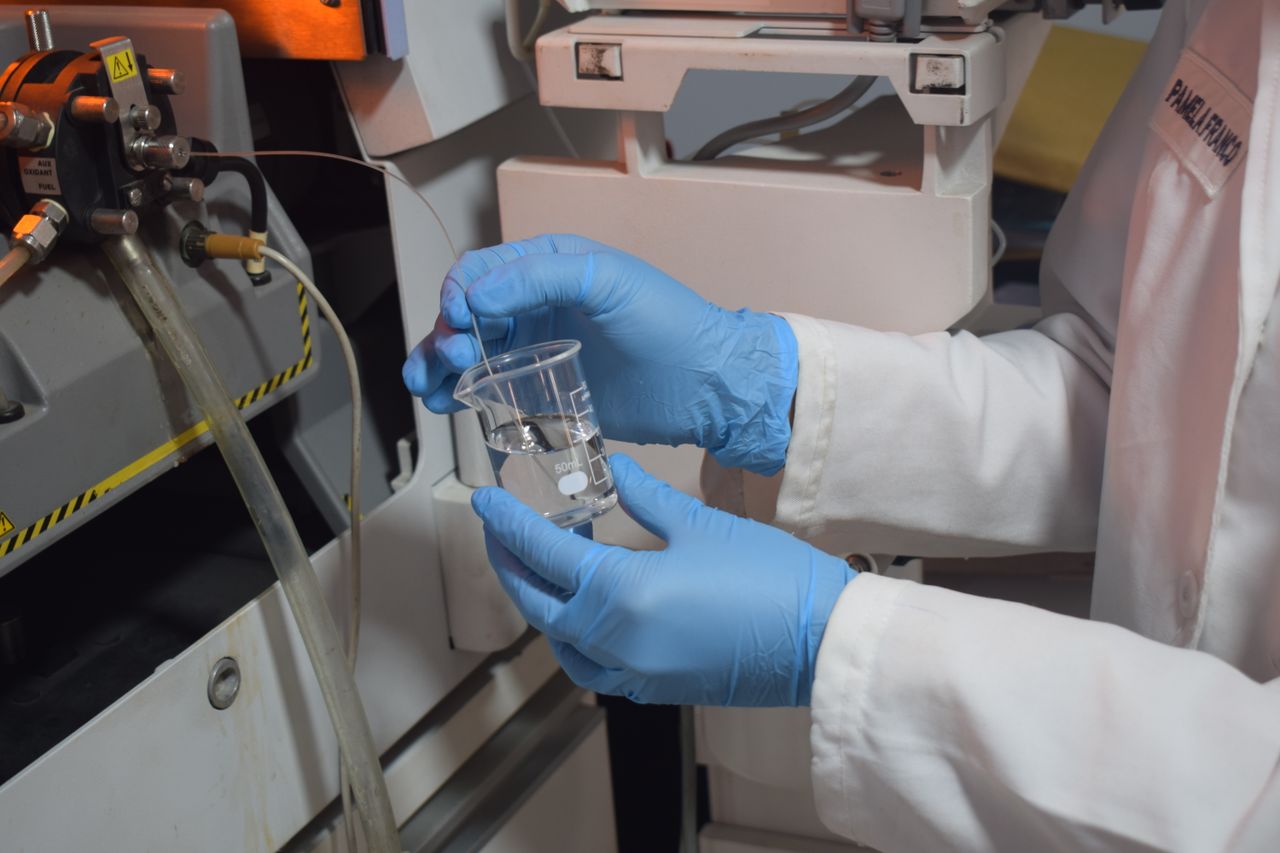
Featured coverage image. Source: Editorial desk.
The FUSION Trial reveals that HeartFlow FFRCT Analysis dramatically reduces the need for unnecessary invasive heart procedures by 44%. This AI-powered diagnostic tool offers a safer, more efficient approach to coronary artery disease.
The FUSION Trial reveals that HeartFlow FFRCT Analysis dramatically reduces the need for unnecessary invasive heart procedures by 44%. This AI-powered diagnostic tool offers a safer, more efficient approach to coronary artery disease.
FOR IMMEDIATE RELEASE: August 28, 2026
Today marks a monumental stride forward in cardiovascular medicine. The highly anticipated results of the FUSION Trial, presented at a major cardiology conference on August 28, 2026, reveal that HeartFlow FFRCT Analysis dramatically reduces the need for unnecessary invasive heart procedures by a remarkable 44%. This independent, government-funded trial's findings are poised to reshape the diagnostic pathway for coronary artery disease (CAD), offering a safer, more efficient, and patient-centric approach to care.
Coronary Artery Disease (CAD) remains the leading cause of death globally, affecting millions and posing a significant burden on healthcare systems. It occurs when the arteries supplying blood to the heart become narrowed or blocked due to plaque buildup, a condition known as atherosclerosis. This can lead to symptoms like chest pain (angina), shortness of breath, and, in severe cases, heart attacks or other major adverse cardiac events.
Diagnosing CAD accurately and efficiently is paramount to ensuring timely and appropriate treatment. Traditional diagnostic methods often present a complex pathway, fraught with challenges that can lead to diagnostic uncertainty.
Historically, diagnosing coronary artery disease has involved a series of tests, which can be time-consuming, expensive, and sometimes inconclusive. Initial assessments typically involve a review of medical history, physical examination, blood tests, and an electrocardiogram (ECG). If CAD is suspected, patients may undergo stress tests (exercise, pharmacologic, or nuclear), echocardiograms, or CT coronary angiograms (CCTA).
However, these traditional non-invasive tests can sometimes lack the precision needed to definitively determine if a blockage is significantly impeding blood flow to the heart. This diagnostic ambiguity frequently necessitates further investigation, often leading to invasive coronary angiography (ICA).
Invasive coronary angiography, while considered the "gold standard" for anatomical visualization of coronary arteries, involves threading a catheter through an artery, typically in the groin or arm, to reach the heart. While crucial for treatment planning, a significant percentage of these invasive procedures reveal no obstructive coronary disease that requires intervention. For instance, a 2015 study including data from over 1,100 U.S. hospitals found that 55% of more than 385,000 patients with stable chest pain who underwent an invasive coronary angiogram had no obstructive coronary disease. Such unnecessary invasive procedures carry inherent risks, including bleeding, infection, and potential complications, in addition to increasing healthcare costs and patient anxiety.
HeartFlow FFRCT Analysis is a non-invasive diagnostic tool that utilizes a standard coronary CT angiogram (CCTA) to create a personalized, 3D digital model of a patient's coronary arteries. This advanced analysis uses artificial intelligence and computational fluid dynamics to simulate blood flow, providing physicians with a detailed understanding of how blockages impact blood supply to the heart. This innovative technology combines high-quality imaging with intelligent analysis to offer a clear, personalized understanding of heart health without the need for invasive procedures.
The process begins with a routine CCTA scan. If the CCTA images show narrowing or plaque in the coronary arteries, the data is securely sent to HeartFlow for analysis. Advanced algorithms, incorporating AI and computational fluid dynamics, then process this data to generate a detailed 3D model of the heart. This model not only visualizes the anatomy of the coronary arteries but also simulates blood flow within them, providing a fractional flow reserve (FFR) value for each vessel. This FFRCT value helps physicians determine the functional significance of any observed blockages, indicating whether they are truly restricting blood flow to the heart muscle. The results are typically delivered to the physician within hours, offering rapid and actionable insights.
HeartFlow FFRCT was granted de novo clearance by the U.S. Food and Drug Administration (FDA) in December 2014, marking it as the first and only non-invasive imaging technology for CAD that shows both the extent of a blockage and its effect on blood flow. Its value has also been recognized by the National Institute for Health and Care Excellence (NICE) in the UK, which recommended its use in February 2017 for patients with stable, recent-onset chest pain who are offered CCTA, noting its potential to avoid invasive angiography.
The results of the FUSION Trial, an independent, government-funded, randomized clinical trial, presented today, August 28, 2026, at a major cardiology congress, have delivered compelling evidence of HeartFlow FFRCT Analysis's transformative power. The trial demonstrated a significant 44% reduction in unnecessary invasive heart procedures when HeartFlow FFRCT was incorporated into the diagnostic pathway for patients suspected of coronary artery disease.
"The FUSION Trial unequivocally demonstrates that HeartFlow FFRCT Analysis is a powerful tool in refining our diagnostic approach to CAD," stated Dr. Elias Vance, Lead Investigator of the FUSION Trial, during his presentation. "By providing precise, physiological insights into coronary blockages non-invasively, we can more confidently identify which patients truly need invasive intervention and, crucially, spare those who don't from potentially avoidable risks and costs. This 44% reduction is a landmark achievement, promising a new standard of care."
This reduction addresses a critical gap in cardiovascular diagnostics. As Dr. Vance further explained, traditional non-invasive tests often lack the specificity to distinguish between anatomically narrow arteries and those that are functionally significant, meaning they actually restrict blood flow. "The diagnostic uncertainty frequently leads physicians to refer patients for invasive coronary angiography (ICA), a hospital procedure where a catheter is threaded through an artery... to assess blocked or narrowed blood vessels. The FUSION trial's findings show HeartFlow FFRCT bridges this critical diagnostic gap."
The ability of HeartFlow FFRCT to reduce unnecessary invasive procedures stems from its unique combination of advanced technologies:
Previous clinical trials have also highlighted the diagnostic performance and impact of FFRCT. For instance, the PLATFORM study demonstrated that FFRCT-guided care dramatically reduced negative diagnostic catheterizations by 83% and healthcare costs by 33% over one year, while maintaining good clinical outcomes. The NXT trial showed FFRCT's high diagnostic accuracy (81% per patient) and strong predictive value, especially for intermediate stenoses, compared to invasive FFR. More recently, the FISH&CHIPS study, which involved over 90,000 patients, demonstrated a significant 14% relative reduction in cardiovascular mortality and an 8% relative reduction in all-cause mortality with the availability of FFRCT, alongside increased cath lab efficiency.
The 44% reduction in unnecessary invasive procedures, as demonstrated by the FUSION Trial, offers a cascade of benefits for patients, clinicians, and the broader healthcare system:
The FUSION Trial's results signify a pivotal moment in the evolution of cardiovascular diagnostics. The ability of HeartFlow FFRCT Analysis to significantly reduce unnecessary invasive procedures while providing highly accurate, functional information ushers in a new era of precision heart care.
"This data will fundamentally change how we evaluate patients with suspected coronary artery disease," commented Dr. Sarah Chen, Head of Cardiology at a leading academic medical center. "The confidence gained from knowing the functional impact of a stenosis without an invasive procedure is invaluable. It empowers us to make smarter, more individualized treatment decisions, which is ultimately better for our patients and more sustainable for our healthcare systems."
The adoption of FFRCT aligns with the global movement towards less invasive, more personalized, and cost-effective healthcare solutions. It moves the diagnostic paradigm from simply identifying anatomical narrowings to understanding their physiological consequences, ensuring that clinical decisions are based on the most comprehensive and actionable information available.
"HeartFlow FFRCT has already been recognized by major guidelines, and the FUSION trial now provides irrefutable evidence of its clinical impact," stated Dr. Campbell Rogers, Chief Medical Officer at HeartFlow. "This 44% reduction in unnecessary invasive procedures means real-world benefits: fewer risks for patients, more focused care, and a more efficient allocation of healthcare resources. We are incredibly proud of this validation of our AI platform."
Dr. Anthony Posteraro, III, a radiologist, highlighted the benefit of clarity: "By clearly showing us where and how the arteries are narrowed, the HeartFlow FFRCT analysis allows us to create a more precise treatment plan for each patient. This technology not only improves accuracy in diagnosing CAD but also helps us determine the most effective approach to care, while avoiding unnecessary invasive procedures."
The following table illustrates the comparative benefits highlighted by various studies including FUSION, PLATFORM, and FISH&CHIPS:
| Feature/Metric | Traditional Diagnostic Pathway | HeartFlow FFRCT-Guided Pathway |
|---|---|---|
| Unnecessary Invasive Angiographies | High rate, with approximately 55% of ICAs for stable chest pain showing no obstructive CAD (2015 data). | 44% reduction in unnecessary invasive heart procedures (FUSION Trial, 2026). 69% decrease in unnecessary invasive coronary angiographies in PRECISE trial. 83% reduction in negative diagnostic catheterizations (PLATFORM trial). |
| Diagnostic Accuracy | Varies, often with lower specificity, potentially leading to diagnostic uncertainty. CCTA alone showed an AUC of 0.81 (NXT trial). | High diagnostic accuracy, with 0.90 AUC (NXT trial) and 0.93 AUC (PACIFIC trial) for non-invasive CAD. 87% sensitivity, 81% specificity per vessel, and 86% accuracy per patient (PACIFIC trial). |
| Patient Safety & Experience | Invasive procedures carry risks (bleeding, infection, complications) and discomfort. | Non-invasive, pain-free analysis; no needles, catheters, or wires. Improved diagnostic accuracy for both patient and care team. |
| Cost-Effectiveness | Higher costs due to frequent invasive procedures and potentially longer diagnostic pathways. | Potential for significant cost savings. 32% lower per-patient cost of medical care in PLATFORM trial (2015). £1,042 GBP ($1,394 USD) in per-patient cost savings at two years (FISH&CHIPS analysis, 2025). |
| Clinical Outcomes | Potential for delayed appropriate treatment or unnecessary interventions based on less precise diagnoses. | Significantly lower cardiovascular death rate (14% relative reduction) and all-cause mortality (8% relative reduction) (FISH&CHIPS study, 2023). Improved quality of life observed in earlier trials. |
| Cath Lab Efficiency | Often strained by high volumes, including procedures that reveal no obstructive CAD. | Increased cath lab efficiency, with a 5% relative reduction in invasive cardiac angiography and an 8% relative increase in Percutaneous Coronary Intervention (PCI) in FISH&CHIPS. 22% increase in cath lab revenue and 56% increase per procedure (HeartFlow data). |
The 44% reduction means that nearly half of the patients who might have previously undergone an invasive coronary angiography (ICA) for suspected coronary artery disease can now avoid the procedure if a HeartFlow FFRCT Analysis determines it's not functionally necessary. This significantly reduces patient exposure to risks such as bleeding, infection, and complications associated with invasive procedures. It also means less discomfort, anxiety, and a faster return to daily activities, improving the overall patient experience and safety.
HeartFlow FFRCT Analysis is increasingly available in hospitals and cardiology centers worldwide. It has received FDA clearance in the U.S. in December 2014 and has been recommended by NICE in the UK since February 2017. The technology is commercially available in various regions, including the United States, Europe, and Japan. Many major insurance providers, including national insurers like UnitedHealthcare and Cigna (as of October 2025 for plaque analysis), have updated their policies to cover HeartFlow FFRCT, making it more accessible to patients.
A standard Coronary CT Angiogram (CCTA) provides detailed anatomical images of the coronary arteries, showing the presence and extent of plaque or narrowing. HeartFlow FFRCT Analysis takes this a step further. It uses the images from a standard CCTA, but then applies advanced artificial intelligence and computational fluid dynamics to create a personalized 3D model. This model simulates blood flow and calculates Fractional Flow Reserve (FFR) values, which indicate whether a blockage is significantly impeding blood flow to the heart muscle. Essentially, CCTA shows what is there, while FFRCT shows how it affects heart function.
While the FUSION Trial shows a substantial reduction in unnecessary invasive procedures, HeartFlow FFRCT Analysis is intended to support the functional evaluation of coronary artery disease and guide clinical decisions. It helps identify which patients truly need an invasive procedure for further assessment or intervention. For patients where FFRCT indicates hemodynamically significant blockages, or in cases of unstable coronary syndromes, an invasive angiogram may still be the appropriate next step. The goal is to ensure that invasive procedures are reserved for those who will benefit most, optimizing patient care pathways.
Featured image by Carla Rubi Valda Trujillo on Pexels
AI BlogX is committed to high editorial standards. For time-sensitive or critical topics, please verify claims against original primary sources.
Authoritative and trend-focused coverage across business, sports, entertainment, health, lifestyle, politics, science, and technology.
More Desks
© 2026 AI BlogX. All rights reserved.
Trend-focused editorial workflow
Stories are monitored from trending signals, then processed for accurate summaries, fact-checking, and desk oversight.
Editorial policy