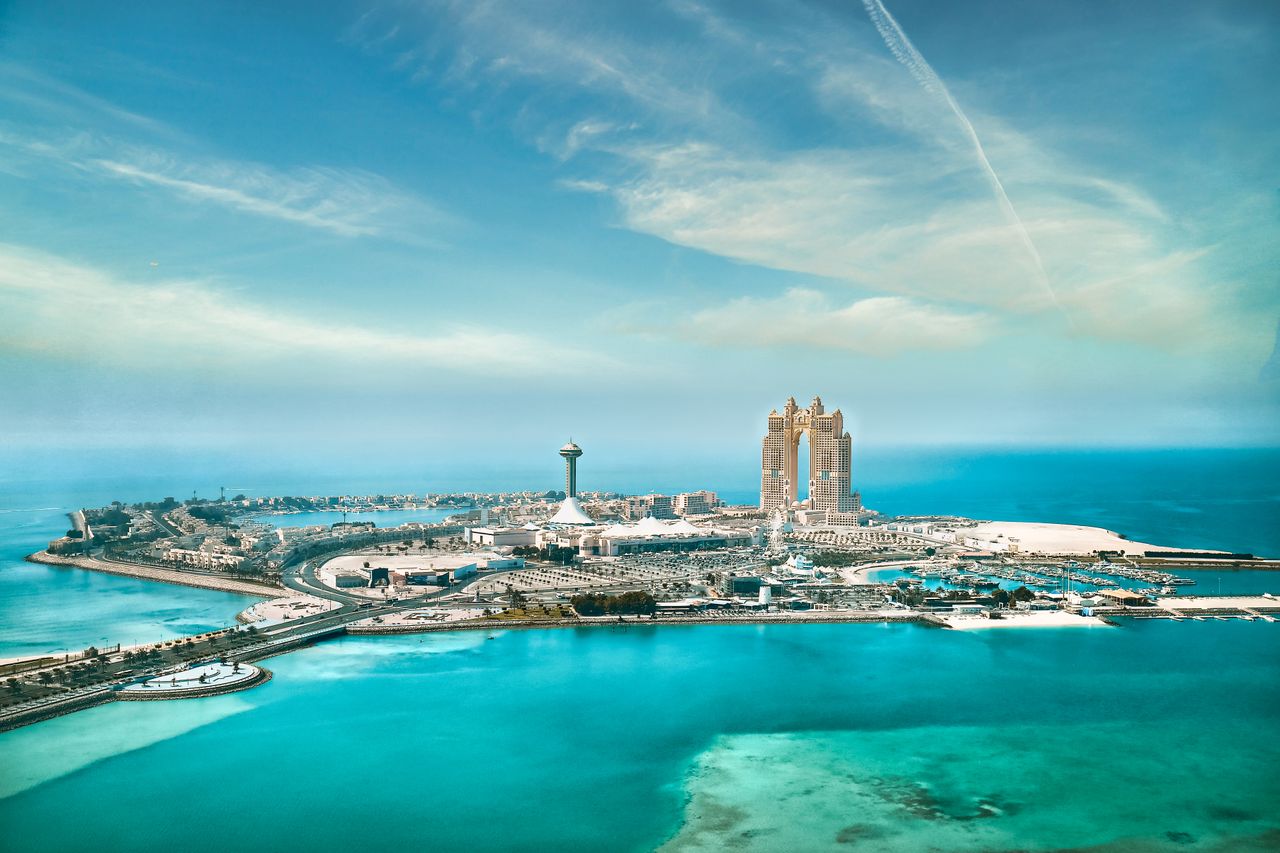
Featured coverage image. Source: Editorial desk.
President Trump has definitively rejected Iran's seven-day proposal to reopen the strategically vital Strait of Hormuz, escalating tensions and keeping global energy markets on edge.
President Trump has definitively rejected Iran's seven-day proposal to reopen the strategically vital Strait of Hormuz, escalating tensions and keeping global energy markets on edge.
The already volatile geopolitical landscape of the Middle East saw a fresh surge in tensions this past weekend as President Donald Trump definitively rejected Iran's seven-day proposal to reopen the strategically vital Strait of Hormuz and re-engage in peace talks. The swift dismissal underscores the deep chasm separating Washington and Tehran, raising critical questions about the future of global energy markets, regional stability, and the ongoing conflict that has gripped the region since early 2026.
This rejection comes amidst an "Iran War" that began with US and Israeli attacks on Iran in late February 2026, leading to Iran mining the waterway and imposing severe restrictions on shipping. The conflict has already driven energy prices sky-high and significantly impacted global trade. President Trump's firm stance signals a continued commitment to his "maximum pressure" campaign, while Iran reiterates that diplomacy remains the only viable path forward despite the latest setback.
The Strait of Hormuz is a narrow maritime passage connecting the Persian Gulf to the Gulf of Oman and the Arabian Sea. It serves as the world's most critical oil chokepoint, acting as the primary gateway for energy exporters in the Gulf to reach global markets. This strategic waterway, bordered by Iran to the north and Oman and the United Arab Emirates to the south, is indispensable for international energy supply chains.
At its narrowest point, the strait is approximately 20 miles wide, with designated shipping lanes only a few miles across. Its geographical position makes it a geopolitical hotspot, with even minor disruptions having significant repercussions for global oil prices and economic stability.
Iran's recent diplomatic overture, delivered through mediators earlier in the week, outlined a seven-day roadmap designed to de-escalate the ongoing conflict. Iranian Foreign Minister Abbas Araghchi presented the proposal, which included two primary components: the immediate reopening of the Strait of Hormuz and the resumption of peace and nuclear talks within the specified timeframe.
However, Tehran's offer was contingent upon several key concessions from the United States. These conditions reportedly included the lifting of the US naval blockade on Iranian ports, the waiver of sanctions on Iranian oil sales, the observation of a comprehensive ceasefire (including in Lebanon), and the release of frozen Iranian assets. This proposal bore a strong resemblance to a previous agreement reached in June 2026, which ultimately crumbled, exacerbating distrust between the two nations.
President Trump publicly dismissed Iran's proposal on Saturday, September 26, 2026, as he boarded Marine One for a trip to Tennessee. "I reject their proposal," Trump told reporters, adding, "They want to make a deal where they open the strait immediately because they're losing so badly." This rejection is rooted in the Trump administration's long-standing "maximum pressure" campaign against Iran, initiated during his first term and intensified in the current conflict.
The US strategy aims to choke off Iranian revenues and compel Tehran to renegotiate its nuclear program and cease what Washington perceives as malign regional activities. Treasury Secretary Scott Bessent, in a statement on Saturday, September 26, 2026, highlighted the US's success in economically isolating Iran, noting new restrictions on airlines and banks. "These efforts are delivering results," Bessent stated on X.
Unnamed US officials cited by The Wall Street Journal indicated President Trump's skepticism that Iran would genuinely meet his demands to dismantle its nuclear program. Furthermore, reports suggest Trump has privately conveyed to aides his expectation of resuming bombing campaigns against Iran after the November midterm elections, signaling a potential escalation if diplomatic efforts continue to falter. Democrats have largely denounced the war as unnecessary and ruinous, with Senator Chris Murphy (D-Connecticut) urging Trump to "cut his losses and sign any deal" to end the conflict on Saturday, September 26, 2026.
The ongoing dispute over the Strait of Hormuz has profound implications for global energy security and economic stability. The waterway is a critical artery for international trade, with significant volumes of oil and liquefied natural gas (LNG) passing through daily.
The Strait of Hormuz is paramount to global energy markets. In the first half of 2025, an average of 20.9 million barrels per day (b/d) of crude oil and petroleum products transited the strait, accounting for approximately 20% of global petroleum liquids consumption and a quarter of all maritime traded oil. Major destinations for this oil in 1H25 included China, India, Japan, and South Korea, which collectively accounted for 74% of all crude oil and condensate flows through the Strait of Hormuz.
The outbreak of the "Iran War" in late February 2026 and Iran's subsequent actions in the strait have already caused significant market disruptions. Immediately following the US and Israeli attacks on Iran in late February 2026, about 90% of traffic through the strait was diverted. This figure rose to over 95% after Iran threatened to attack ships, leading to traffic slowing to a trickle.
The economic consequences have been immediate and severe:
| Metric | Pre-2026 Conflict (Approx.) | March 2026 Disruption Impact | Potential Full Closure Impact |
|---|---|---|---|
| Oil Flow (b/d) | 20-21 million | 90-95%+ diverted, traffic "slowed to a trickle" | 20 million b/d removed from global markets |
| Brent Crude Price (per barrel) | Varies | Surged to $80-82 by March 2, 2026; over $120 by March 4, 2026 | Spike to $120-150; sustained disruption to $180-200 |
| Asian LNG Spot Prices | Varies | Increased by over 140% by March 28, 2026 | Significant further increases |
The ongoing conflict and the rejection of Iran's proposal further destabilize an already volatile region. The US has imposed a naval blockade on Iranian ports, seeking to apply economic pressure. This has drawn criticism from some, while others, like US Ambassador to NATO Matthew Whitaker, supported Trump's rejection of Iran's proposal on Sunday, September 27, 2026, arguing that it was the correct move.
The previous June agreement, which Iran interpreted as giving it control over the strait, was rejected by the United States and its regional allies. This highlights the fundamental disagreements over navigation rights and regional influence. Oman, a critical player bordering the strait, called for "self-restraint" and dialogue from all parties at the United Nations on Saturday, September 26, 2026, offering to mediate. Meanwhile, Saudi Arabia remains skeptical of the latest diplomatic push for a deal.
The rejection of Iran's proposal signals a prolonged period of uncertainty and potential for escalation. Trita Parsi, executive vice president of the Quincy Institute think tank, noted in a September 25, 2026, statement that Iran's proposal with an accelerated timetable was likely aimed at offering President Trump a political benefit before the November midterms by reducing gas prices. However, Trump's skepticism and the reported intent to resume bombing suggest a different calculation.
Military and national security expert Anthony Seaboyer, commenting on CTV News on September 26, 2026, emphasized the significant implications of the US president rejecting an "off-ramp" from the Iran War. The Soufan Center, in a September 1, 2026, analysis, highlighted that both the US and Iran believe they hold leverage, leading to a "mutually hurting stalemate" and a likely scenario of continued conflict with "no clear off-ramps available and no immediate end in sight."
Iranian President Masoud Pezeshkian, speaking at the UN General Assembly this week, stated that Iran is "ready for dialogue and diplomacy and negotiations without accepting the language of force." Despite this, the Iranian delegation notably walked out of the chamber earlier in the week when Trump delivered a stark warning that Tehran could either make a deal or face "annihilation." This exchange encapsulates the deep-seated distrust and differing approaches to resolving the crisis.
The situation remains highly fluid. While Iran insists on compensation for war damages and the lifting of sanctions as conditions for reopening the strait, the US maintains its pressure campaign, convinced that Iran is "losing so badly" and will eventually be forced to capitulate on American terms. The coming weeks, particularly leading up to the November midterms, will be critical in determining whether diplomacy can find a new path or if the region is destined for further escalation.
As of late September 2026, the Strait of Hormuz is severely disrupted due to the ongoing "Iran War." Following US and Israeli attacks on Iran in February 2026, Iran mined the waterway and imposed restrictions, significantly slowing commercial traffic. The US has also implemented a naval blockade on Iranian ports. While some traffic may attempt passage, overall flow is heavily constrained, leading to substantial impacts on global oil and gas supplies and prices.
Iran's seven-day proposal, delivered through mediators, offered to immediately reopen the Strait of Hormuz and restart peace talks concerning its nuclear program. In return, Tehran demanded that the United States lift its naval blockade, waive sanctions on Iranian oil sales, observe a comprehensive ceasefire that would extend to Lebanon, and release frozen Iranian assets. This proposal aimed to rapidly de-escalate the current conflict.
President Trump rejected the proposal, stating Iran was "losing so badly" and attempting to leverage the strait's reopening to its advantage. His administration continues its "maximum pressure" campaign, aiming to compel Iran to make a deal on US terms, particularly regarding its nuclear program and regional activities. Trump and US officials expressed skepticism that Iran would genuinely meet US demands, with suggestions of renewed military action post-midterms.
The disruption of the Strait of Hormuz has had a severe economic impact, characterized as the "largest supply disruption in the history of the global oil market." Brent crude prices surged to over $120 per barrel by early March 2026, and LNG spot prices in Asia increased by over 140%. The restricted flow, accounting for 20-25% of global oil trade, leads to higher energy costs, increased inflation, and heightened risks of economic slowdowns worldwide.
Featured image by Kevin Villaruz on Pexels
AI BlogX is committed to high editorial standards. For time-sensitive or critical topics, please verify claims against original primary sources.
Authoritative and trend-focused coverage across business, sports, entertainment, health, lifestyle, politics, science, and technology.
More Desks
© 2026 AI BlogX. All rights reserved.
Trend-focused editorial workflow
Stories are monitored from trending signals, then processed for accurate summaries, fact-checking, and desk oversight.
Editorial policy