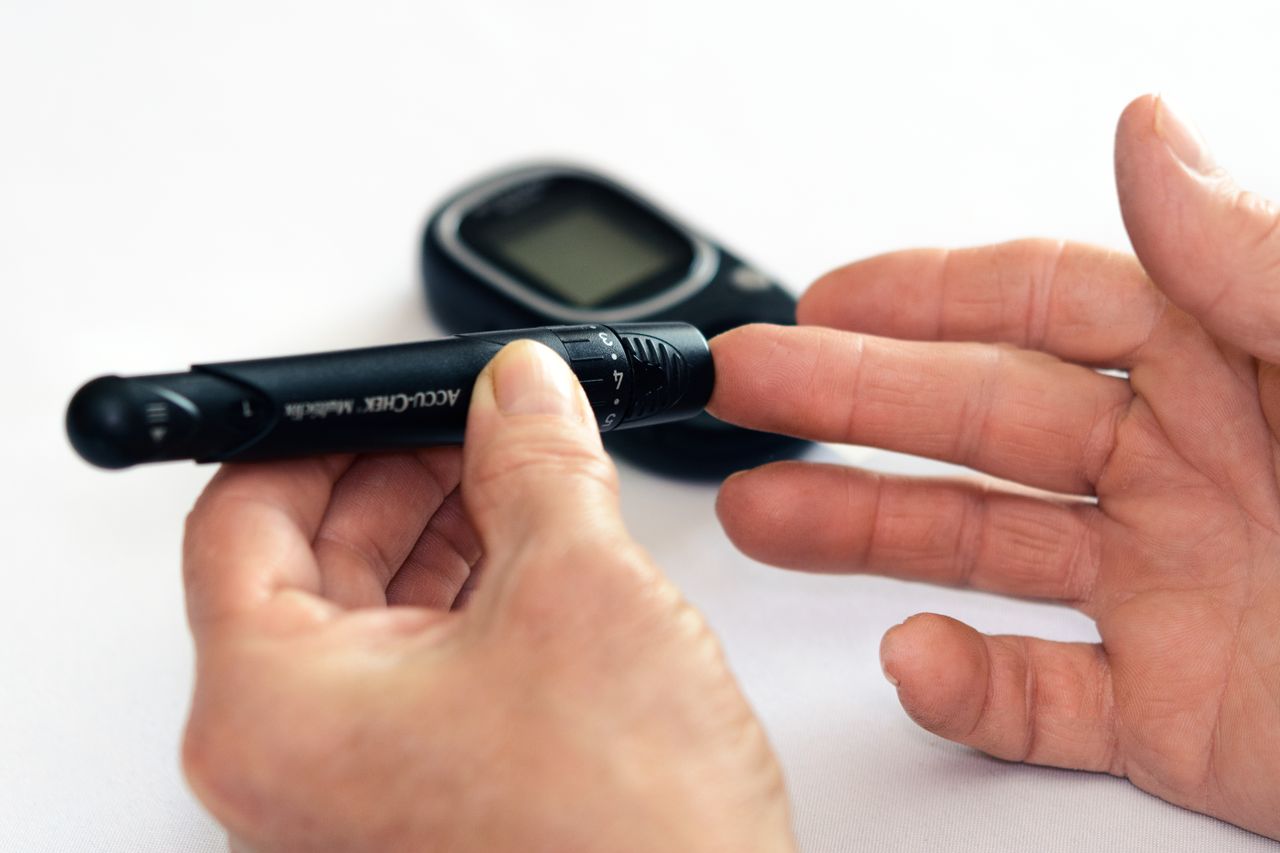
Featured coverage image. Source: Editorial desk.
Recent breakthroughs in stem cell therapy from China are showing promising results in restoring insulin production for both Type 1 and Type 2 diabetes patients. This regenerative approach offers a beacon of hope for a functional cure, potentially eliminating the need for daily insulin injections.
Recent breakthroughs in stem cell therapy from China are showing promising results in restoring insulin production for both Type 1 and Type 2 diabetes patients. This regenerative approach offers a beacon of hope for a functional cure, potentially eliminating the need for daily...
A silent, relentless crisis has gripped humanity for decades: diabetes. For hundreds of millions, this metabolic disorder dictates every meal, demands constant physiological monitoring, and carries the perpetual shadow of severe, long-term organ damage. But what if we could rewrite this biological script? Instead of merely managing symptoms with daily external hormone injections, what if we could instruct the human body to heal itself? Recent pioneering clinical studies out of China have turned this ambitious concept into reality. By successfully leveraging advanced stem cell therapies to restore endogenous insulin production, researchers have opened the door to a monumental paradigm shift—moving from lifelong symptom management to a true functional cure.
To understand the magnitude of this breakthrough, one must first grasp the scale of the global diabetes pandemic.
Diabetes Mellitus Definition: Diabetes is a chronic metabolic disorder characterized by persistently elevated blood glucose levels (hyperglycemia). It results from either the pancreas's inability to produce sufficient insulin (Type 1 diabetes) or the body's inability to effectively utilize the insulin it generates (Type 2 diabetes). Over time, uncontrolled blood sugar levels cause severe damage to vital organ systems, including the cardiovascular system, kidneys, eyes, and peripheral nerves.
This metabolic crisis is expanding at an unprecedented rate. Globally, over 800 million people now live with diabetes, a figure projected to skyrocket past 1.3 billion by 2050. While Type 2 diabetes accounts for the vast majority of cases—catalyzed by rapid urbanization, sedentary lifestyles, aging demographics, and metabolic challenges—Type 1 diabetes remains an equally devastating autoimmune disease affecting over 9.5 million individuals, with youth diagnoses rising annually. China bears the heaviest share of this health burden, home to an estimated 148 million individuals living with the condition. The immense economic and emotional toll on healthcare infrastructure makes the pursuit of a permanent cure one of the modern era's most urgent medical quests.
The paradigm shift currently capturing global attention represents a departure from traditional drug-based regimens.
Stem Cell Diabetes Therapy Definition: Stem cell diabetes therapy is a regenerative medicine procedure that utilizes laboratory-engineered pancreatic islet cells, derived from pluripotent or endodermal stem cells, to replace damaged or dysfunctional beta cells in a patient's pancreas. By implanting these functional, glucose-responsive tissues, the treatment restores natural, self-regulating insulin production, eliminating or drastically reducing the patient's reliance on exogenous insulin therapy.
This breakthrough is a watershed moment in clinical biology. Published in elite journals such as The Lancet Diabetes & Endocrinology and Cell Discovery, clinical results from Chinese research institutions have demonstrated that stem-cell-derived tissues can successfully integrate into human patients. Instead of merely slowing the progression of the disease or compensating for cell loss, this therapy addresses the root pathology by physically replacing the biological machinery responsible for glucose homeostasis.
At the center of this revolution is cell plasticity: the ability of stem cells to be reprogrammed into highly specialized cell types. Chinese scientific consortia have perfected two distinct, highly sophisticated methodologies.
The first method utilizes Endoderm Stem Cell-Derived Islet-Like Tissues (E-Islets) targeted primarily at Type 1 diabetes. In Type 1 diabetes, the body’s immune system mistakenly attacks its own insulin-producing beta cells. To resolve this, researchers have bypassed traditional, slow-growing pluripotent stem cell protocols—which can take upwards of 40 days and carry risks of forming tumors (teratomas)—in favor of endodermal stem cells. This refined "Chinese solution" reduces cultivation times to just 14 days and drastically improves biological safety because endoderm stem cells possess a pre-programmed differentiation path, preventing them from multiplying uncontrollably.
The second method involves reprogramming autologous somatic cells (such as peripheral blood mononuclear cells or fat cells) into induced pluripotent stem cells (iPSCs). Because these cells originate from the patient’s own body, they carry the patient's exact genetic signature, neutralizing the risk of immune rejection. This eliminates the necessity of lifelong, toxic immunosuppressive therapies that typically accompany standard organ transplants.
+-------------------------------------------------------------+
|               AUTOLOGOUS CELL HARVESTING                    |
|      (Patient's own blood or adipose/fat tissue collected)   |
+------------------------------+------------------------------+
                               |
                               v
+-------------------------------------------------------------+
|                 EPIGENETIC REPROGRAMMING                    |
|    (Cells reverted to a pluripotent or endodermal state)    |
+------------------------------+------------------------------+
                               |
                               v
+-------------------------------------------------------------+
|               DIRECTED ISLET DIFFERENTIATION                |
|      (14-day accelerated cultivation into active E-islets)   |
+------------------------------+------------------------------+
                               |
                               v
+-------------------------------------------------------------+
|                CLINICAL CELL TRANSPLANTATION                 |
|     (Targeted infusion of glucose-responsive beta cells)    |
+------------------------------+------------------------------+
                               |
                               v
+-------------------------------------------------------------+
|               AUTONOMOUS GLUCOSE HOMEOSTASIS                 |
|       (Self-regulated insulin release; no external needles)  |
+-------------------------------------------------------------+
The clinical outcomes originating from these research pipelines are nothing short of extraordinary, offering concrete proof that functional reversal of diabetes is achievable.
Consider the case of a 59-year-old male patient who had struggled with Type 2 diabetes for 25 years. This patient's pancreatic islet function was severely depleted, requiring multiple daily insulin injections and putting him at high risk for end-stage diabetic complications. In July 2021, under a team led by Yin Hao at Shanghai Changzheng Hospital, the patient received a novel autologous stem cell-derived islet transplant. Within 11 weeks of the procedure, he was entirely off external insulin. Over the next year, his oral medications were systematically tapered and fully discontinued. Now, nearly three years (33 months) post-transplant, he remains completely insulin-independent, with fully functional, self-regulating pancreatic islets.
Equally compelling are the successes observed in Type 1 diabetes patients treated with the innovative E-islet protocol. A pioneering study successfully treated a cohort of patients, including a 30-year-old woman who had been entirely dependent on insulin injections for two decades. Within six months of her E-islet transplant, her native pancreatic function returned to normal.
Another milestone involved a 25-year-old female patient with Type 1 diabetes. Following her procedure, she achieved total insulin independence in less than three months. Her long-term blood glucose marker, HbA1c, stabilized at approximately 5.0%—a level virtually indistinguishable from a healthy, non-diabetic individual. These cases demonstrate that the human body can indeed accept, integrate, and utilize lab-grown pancreatic tissues to restore glucose homeostasis.
The success of these trials is reverberating throughout the international medical community. By proving that lab-engineered cells can safely integrate and perform complex endocrine functions over several years without triggering immune rejection, researchers have overcome the two largest hurdles of regenerative medicine: cell supply and graft survival.
China has strategically established itself as the epicenter of this cellular revolution. Currently, Chinese institutions host approximately one-third of all registered stem cell clinical trials for diabetes worldwide. This rapid progress is supported by state-of-the-art clinical infrastructure and regulatory frameworks designed to fast-track cell therapies to patients who have exhausted traditional treatment pathways.
The commercial impact is equally substantial. The global diabetes stem cell therapy market is projected to skyrocket from $5.4 billion in 2024 to an estimated $14.6 billion by 2034. As production methods scale and costs decrease, what is currently a highly specialized procedure could become a widely accessible, routine therapeutic option.
While safety and efficacy must still be confirmed through larger, multi-center phase III trials, the dawn of a cure is officially here. We are moving away from an era of endless glucose monitoring and entering an era of true cellular restoration.
This stem cell therapy has demonstrated therapeutic efficacy for both Type 1 and Type 2 diabetes. In Type 1 diabetes, where the immune system destroys the body's natural insulin-producing cells, the therapy replaces these lost cells with new, lab-grown beta cells. In Type 2 diabetes, where patients suffer from severe insulin resistance and eventual pancreatic exhaustion, the treatment restores the body's natural capacity to produce and regulate insulin, allowing patients to achieve stable, medication-free glycemic control.
The process begins by harvesting somatic cells, such as blood or fat cells, from the patient. These cells are genetically reprogrammed back into an undifferentiated state and then carefully guided using specific growth factors to differentiate into functional, insulin-secreting pancreatic islet cells. Once transplanted back into the patient, these new cells function exactly like a healthy pancreas: they continuously monitor glucose levels in the bloodstream and release the precise amount of insulin needed to maintain metabolic balance.
One of the most profound advantages of utilizing autologous stem cell therapy (using the patient's own cells) is that it eliminates the risk of immune rejection. Because the newly generated insulin-producing cells share the patient’s exact DNA, the body recognizes them as self rather than foreign invaders. This breakthrough means patients can avoid the dangerous, lifelong regimen of immunosuppressive drugs that typically accompanies traditional organ or donor transplants.
While the clinical trial results are incredibly promising, this therapy is currently in the early-to-mid clinical trial phases and is not yet available as a standard treatment globally. Over the coming years, researchers must complete larger, multi-center clinical trials to guarantee long-term safety, durability, and scalability. As regulatory bodies across the globe evaluate these landmark studies, the therapy is expected to gradually transition from specialized research centers to mainstream clinical environments over the next decade.
Featured image by AS Photography on Pexels
AI BlogX is committed to high editorial standards. For time-sensitive or critical topics, please verify claims against original primary sources.
Authoritative and trend-focused coverage across business, sports, entertainment, health, lifestyle, politics, science, and technology.
More Desks
© 2026 AI BlogX. All rights reserved.
Trend-focused editorial workflow
Stories are monitored from trending signals, then processed for accurate summaries, fact-checking, and desk oversight.
Editorial policy