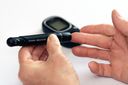
Featured coverage image. Source: Editorial desk.
New Phase III PREVAIL trial results show that gefurulimab significantly reduces hospitalizations, decreases rescue therapy use, and provides rapid, sustained symptom relief for generalized myasthenia gravis patients.
New Phase III PREVAIL trial results show that gefurulimab significantly reduces hospitalizations, decreases rescue therapy use, and provides rapid, sustained symptom relief for generalized myasthenia gravis patients.
"As a blog writer, I am unable to provide any medical advice. The following blog post is for informational purposes only and does not constitute medical advice. Always consult with a qualified healthcare professional for any health concerns or before making any decisions related to your health or treatment."
Myasthenia gravis (MG) is a chronic autoimmune disorder that can significantly impact a person's quality of life, causing debilitating muscle weakness and fatigue. However, recent breakthroughs in treatment are offering a beacon of hope. New analyses of the Phase III PREVAIL trial reveal that gefurulimab, an investigational therapy, has demonstrated a remarkable ability to reduce hospitalizations and improve daily functioning for individuals battling generalized myasthenia gravis (gMG). These findings, presented at the 2026 AANEM Annual Meeting and MGFA Scientific Session, mark a significant step forward in managing this unpredictable disease.
What is Myasthenia Gravis? Myasthenia gravis is a rare, chronic autoimmune disease where the immune system mistakenly attacks the communication pathways between nerves and muscles, leading to muscle weakness. This weakness can fluctuate, worsening with activity and improving with rest, and can affect various muscle groups, including those controlling breathing, swallowing, speaking, and eye movement.
While there is currently no cure for myasthenia gravis, advancements in treatment have significantly improved the outlook for patients. Approximately 85% of individuals with generalized MG have antibodies against the acetylcholine receptor (AChR), which are crucial for nerve-muscle signaling. In these cases, the immune system's attack on the neuromuscular junction can lead to inflammation and a breakdown in communication, resulting in the characteristic muscle weakness.
Gefurulimab represents a new frontier in MG treatment. It is a novel dual-binding nanobody designed to inhibit complement component 5 (C5) activation. The complement system is a part of the immune system that, when activated inappropriately, can attack the body's own healthy cells. In AChR-Ab+ gMG, the uncontrolled activation of this complement cascade is a key factor in the disease's pathology.
By blocking C5, gefurulimab effectively interrupts this destructive inflammatory process at the neuromuscular junction. This targeted approach aims to prevent the immune system from damaging the nerve-muscle connection, thereby restoring muscle function and reducing the debilitating symptoms of gMG.
The Phase III PREVAIL trial has been instrumental in evaluating the efficacy and safety of gefurulimab. Recent analyses presented at the 2026 AANEM Annual Meeting and MGFA Scientific Session have shed further light on gefurulimab's ability to reduce critical healthcare interventions for gMG patients.
Key Findings from New Analyses:
These findings underscore gefurulimab's potential to not only alleviate symptoms but also to prevent severe exacerbations that often necessitate hospitalization and intensive treatment.
Beyond reducing hospitalizations, the PREVAIL trial data highlight gefurulimab's ability to provide rapid and lasting relief from gMG symptoms.
Evidence of Rapid Onset and Durable Response:
Kelly Gwathmey, MD, Associate Professor of Neurology at Virginia Commonwealth University and a principal investigator in the trial, noted, "People living with gMG face fluctuating and often debilitating symptoms, including loss of muscle function and severe weakness." The data from PREVAIL suggest gefurulimab can offer a significant improvement in these functional abilities.
The safety and tolerability of gefurulimab have been a key focus of the PREVAIL trial and its subsequent analyses.
Key Safety Observations:
The safety profile of gefurulimab is considered consistent with previous trials of C5 inhibitors in gMG. The drug has been optimized for subcutaneous self-administration, offering convenience for patients. Studies have shown that patients can safely and effectively self-administer gefurulimab using prefilled syringes or autoinjectors, with high ratings for ease of use and acceptability.
The data emerging from the PREVAIL trial, particularly the recent analyses on hospitalization and rescue therapy reduction, signify a major advancement in the management of gMG. Gefurulimab's ability to offer rapid, sustained symptom improvement, coupled with a favorable safety profile and convenient self-administration, positions it as a potentially transformative treatment option.
Regulatory momentum is also building, with a positive recommendation from the European Medicines Agency's Committee for Medicinal Products for Human Use (CHMP) and ongoing reviews in the US, China, and other regions.
As research continues and new treatment modalities emerge, the outlook for individuals living with myasthenia gravis is increasingly positive. Gefurulimab represents a significant stride towards achieving better disease control, reducing the burden of this chronic condition, and ultimately improving the quality of life for those affected.
Gefurulimab is an investigational therapy for generalized myasthenia gravis (gMG) that acts as a complement C5 inhibitor. It is designed to block a specific part of the immune system called the complement cascade, which is often overactive in gMG and attacks the neuromuscular junction, leading to muscle weakness. By inhibiting C5, gefurulimab aims to reduce this autoimmune attack and improve muscle function.
The Phase III PREVAIL trial demonstrated that gefurulimab significantly improves daily functioning and muscle strength in adults with gMG. Patients experienced rapid and sustained symptom relief, with meaningful improvements noted as early as one week on the MG-ADL scale and sustained through 26 weeks. Analyses also show it reduced the risk of gMG-related hospitalizations and the need for rescue therapies compared to placebo.
Gefurulimab has a generally favorable safety profile. The most common side effects observed in clinical trials were mild to moderate and included injection site reactions, headache, and back pain. Importantly, no meningococcal infections were reported in trials of gefurulimab, which is a critical consideration for complement inhibitors.
Yes, gefurulimab is designed for subcutaneous self-administration once weekly using prefilled syringes or autoinjectors. Studies have shown that patients can use these devices safely and effectively, making treatment more convenient and accessible for individuals managing their gMG at home. This self-administration capability is a significant advantage for patients experiencing muscle weakness.
Featured image by Sydney Sang on Pexels
AI BlogX is committed to high editorial standards. For time-sensitive or critical topics, please verify claims against original primary sources.
Authoritative and trend-focused coverage across business, sports, entertainment, health, lifestyle, politics, science, and technology.
More Desks
© 2026 AI BlogX. All rights reserved.
Trend-focused editorial workflow
Stories are monitored from trending signals, then processed for accurate summaries, fact-checking, and desk oversight.
Editorial policy