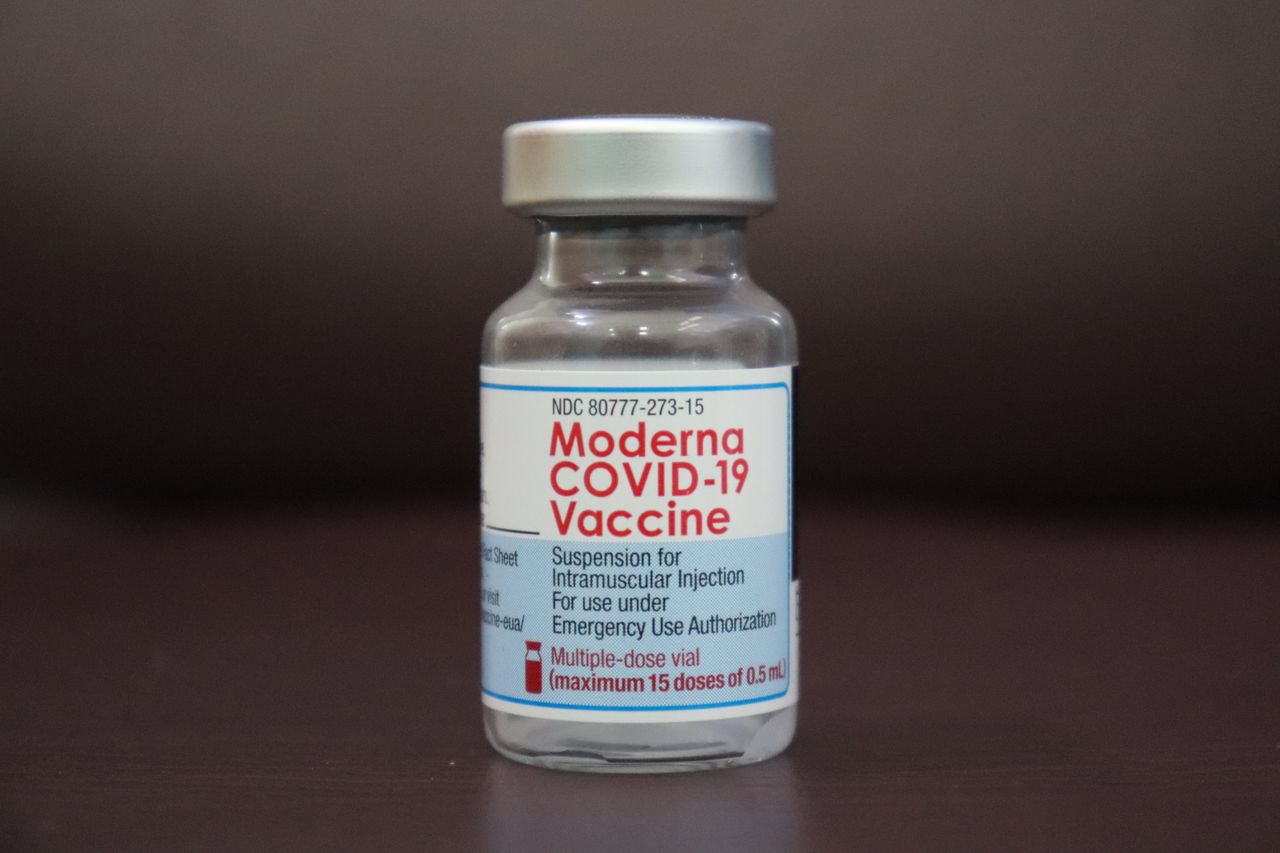
Featured coverage image. Source: Editorial desk.
Moderna and Merck report groundbreaking Phase 3 trial results for their personalized mRNA melanoma vaccine combined with Keytruda. This breakthrough marks a new era in personalized cancer immunotherapy.
Moderna and Merck report groundbreaking Phase 3 trial results for their personalized mRNA melanoma vaccine combined with Keytruda. This breakthrough marks a new era in personalized cancer immunotherapy.
The mRNA Melanoma Vaccine (mRNA-4157/V940) is an investigational, individualized neoantigen therapy developed jointly by Moderna and Merck. Designed to prime the immune system against up to 34 patient-specific tumor mutations, the therapy works synergistically with the PD-1 checkpoint inhibitor pembrolizumab (Keytruda) to prevent cancer recurrence following surgical resection.
Oncology stands at a historic turning point. Moderna and Merck have announced top-line Phase 3 results demonstrating that an individualized mRNA vaccine combined with standard immunotherapy significantly reduces the risk of recurrence or death in patients with resected, high-risk melanoma. This outcome delivers the first definitive Phase 3 confirmation that custom-engineered messenger RNA can serve as an effective therapeutic vaccine against solid tumors.
For decades, cancer immunotherapy relied primarily on non-targeted immunomodulation or broad checkpoint inhibition. Today, the convergence of high-throughput genetic sequencing, computational neoantigen modeling, and lipid nanoparticle (LNP) delivery has transformed cancer medicine from a broad-spectrum intervention into an individualized therapeutic countermeasure.
+-----------------------------------------------------------------------------------+
|               Individualized Neoantigen Therapy (INT) Mechanism                   |
+-----------------------------------------------------------------------------------+
|  1. Tumor Resection & Whole-Exome Sequencing                                      |
|     └─► Identification of somatic, patient-specific tumor mutations                |
|                                                                                   |
|  2. Algorithmic Neoantigen Selection                                              |
|     └─► Machine learning identifies up to 34 high-affinity HLA neoantigens        |
|                                                                                   |
|  3. Synthetic mRNA-4157 Manufacturing & LNP Encapsulation                         |
|     └─► Production of custom synthetic mRNA payload in an optimized LNP           |
|                                                                                   |
|  4. Intramuscular Co-Administration with Keytruda (anti-PD-1)                     |
|     ├─► Dendritic cells translate mRNA & present neoantigens to naive T cells     |
|     ├─► Robust expansion of polyfunctional, tumor-specific CD4+/CD8+ T cells      |
|     └─► Keytruda releases checkpoint inhibition to sustain systemic antitumor attack|
+-----------------------------------------------------------------------------------+
High-risk melanoma refers to Stage IIB through Stage IV cutaneous melanoma characterized by deep primary tumor invasion, ulceration, or regional lymph node involvement that poses a substantial probability of post-surgical distant metastasis.
Melanoma remains the deadliest form of skin cancer, originating from the malignant transformation of pigment-producing melanocytes. While localized melanoma caught in early stages carries a five-year survival rate exceeding 90%, patients with advanced or regional lymph node involvement face persistent relapse rates. Microscopic residual disease—undetectable clusters of malignant cells that survive primary surgical resection—often drives recurrence.
In the adjuvant setting, anti-PD-1 monoclonal antibodies such as pembrolizumab and nivolumab established a new standard of care by liberating suppressed immune responses. However, almost half of high-risk patients experience recurrence within five years on checkpoint inhibitor monotherapy alone. Malignant cells frequently evade immune detection through antigen loss, low baseline immunogenicity, or down-regulated major histocompatibility complex (MHC) presentation. The clinical imperative requires a mechanism that actively directs cytotoxic T lymphocytes toward unique tumor-specific targets while simultaneously neutralizing tumor-mediated immune suppression.
The V940-001 (KEYNOTE-942 Phase 3) Clinical Trial is a global, randomized, double-blind, active-controlled registration study evaluating the efficacy and safety profile of adjuvant mRNA-4157 (V940) combined with pembrolizumab versus pembrolizumab alone in patients with completely resected Stage IIB to IV cutaneous melanoma.
The global Phase 3 trial met its primary endpoint, demonstrating a statistically significant and clinically meaningful improvement in Recurrence-Free Survival (RFS) compared to single-agent pembrolizumab. The regimen also showed compelling trends across critical secondary endpoints, including Distant Metastasis-Free Survival (DMFS) and Overall Survival (OS).
| Clinical Metric / Endpoint | Combination Cohort (mRNA-4157 + Pembrolizumab) | Control Cohort (Pembrolizumab Monotherapy) | Strategic Impact & Clinical Relevance |
|---|---|---|---|
| Primary Endpoint: Recurrence-Free Survival (RFS) | Statistically significant reduction in risk of recurrence or death | Standard baseline recurrence rates | Confirms primary endpoint; establishes superior adjuvant protection |
| Secondary Endpoint: Distant Metastasis-Free Survival (DMFS) | Substantial reduction in distant organ spread | Standard baseline metastatic progression | Prevents systemic dissemination to lung, liver, and brain |
| Secondary Endpoint: Overall Survival (OS) | Sustained positive trajectory; ongoing follow-up | Standard survival curve | Reinforces long-term therapeutic durability |
| Adverse Event (AE) Profile | Grade 1–2 transient injection-site pain, chills, fatigue, pyrexia | Immune-related AEs consistent with standard PD-1 blockade | No synergistic or cumulative auto-inflammatory toxicity observed |
The safety profile demonstrated that adding an mRNA payload to an established immune checkpoint inhibitor did not yield unanticipated immune-related toxicities. Adverse events attributed to mRNA-4157 were predominantly low-grade and self-limiting, presenting primarily as mild-to-moderate constitutional symptoms that resolved within 48 to 72 hours post-injection.
Neoantigens are novel, tumor-specific antigens generated by somatic DNA mutations inside cancerous cells. Because these mutated peptide sequences are completely absent from healthy tissues, they are recognized by the human immune system as foreign antigens, making them ideal immunological targets.
The success of mRNA-4157 lies in its bespoke manufacturing workflow, which bridges precision genomics, machine learning, and rapid synthetic biology. The process operates on a highly optimized five-stage pipeline:
[Patient Tumor & Normal DNA Sequencing]
                 │
                 ▼
[Bioinformatic Mutation Filtering & HLA Binding Modeling]
                 │
                 ▼
[Selection of Top 34 Immunogenic Neoepitopes]
                 │
                 ▼
[In Vitro Transcription of Single-Strand Synthetic mRNA]
                 │
                 ▼
[Lipid Nanoparticle (LNP) Encapsulation & Quality Control]
Following surgical removal of the primary tumor or metastatic lymph node, clinicians collect both tumor tissue and peripheral blood samples. Next-generation whole-exome sequencing (WES) and RNA sequencing characterize the complete mutational profile, distinguishing somatic driver and passenger mutations from germline variants.
Proprietary bioinformatics and neural network algorithms evaluate thousands of identified point mutations, insertions, and deletions. The platform models the patient’s specific Human Leukocyte Antigen (HLA) haplotype to predict which mutated peptides will exhibit the highest binding affinity to MHC Class I and Class II complexes. This step ensures stimulation of both CD8+ cytotoxic T cells (for direct cell killing) and CD4+ helper T cells (for sustained immune memory).
The 34 highest-scoring neoantigen sequences are joined into a single synthetic mRNA transcript using flexible linker sequences. This synthetic construct incorporates optimized 5' and 3' untranslated regions (UTRs) and a modified poly(A) tail to maximize intracellular translation efficiency and extend mRNA stability.
The synthesized mRNA is encapsulated in proprietary lipid nanoparticles. These LNPs shield the delicate mRNA molecules from extracellular ribonucleases, facilitating uptake by professional antigen-presenting cells (APCs), particularly dendritic cells residing within local lymph nodes.
Once translated inside dendritic cells, the synthesized neoantigens are processed and presented via MHC molecules. Naive T cells recognize these neoepitopes, triggering massive clonal expansion of tumor-specific effector and memory T cells. Simultaneously, pembrolizumab blocks the PD-1 receptor on these newly mobilized T cells, preventing malignant cells from triggering immune exhaustion via PD-L1 engagement.
Adjuvant Oncology focuses on therapeutic interventions administered after primary surgical resection to destroy occult micrometastases and eliminate the risk of disease recurrence.
The clinical validation of mRNA-4157 establishes a new framework for postoperative cancer treatment. Traditional adjuvant therapy relies heavily on non-selective systemic chemotherapies or general checkpoint inhibitors. The introduction of an individualized mRNA platform delivers targeted immunological precision directly into routine oncology practice.
Beyond melanoma, this breakthrough validates the broader biological hypothesis of individualized neoantigen therapy. Cancers characterized by elevated tumor mutational burden (TMB)—such as non-small cell lung cancer (NSCLC), bladder urothelial carcinoma, and microsatellite instability-high (MSI-H) colorectal cancer—are well suited for this approach. Clinical programs are already adapting this modular 34-neoantigen cassette design for cold, low-mutation tumors by combining the platform with targeted adjuvants, cytokine therapies, and localized radiation.
While Phase 3 clinical efficacy marks a profound scientific triumph, broad real-world adoption requires overcoming clear operational, financial, and logistical barriers:
An infectious disease mRNA vaccine (such as those for COVID-19 or influenza) uses a standardized, uniform viral antigen delivered off-the-shelf to train the immune system against external pathogens before infection occurs. In contrast, an individualized mRNA cancer vaccine is a customized therapeutic treatment designed after a cancer diagnosis. It contains an engineered sequence encoding up to 34 unique neoantigens derived exclusively from the individual patient's sequenced tumor mutations, directing the immune system to hunt down and eliminate residual cancer cells.
The combination utilizes a complementary, two-pronged immunological mechanism. The personalized mRNA vaccine acts as the "steering wheel," training and expanding high-affinity CD4+ and CD8+ T cells specifically against the patient's unique tumor markers. Pembrolizumab (Keytruda) acts as the "accelerator," blocking the PD-1/PD-L1 pathway that tumor cells use to deactivate immune cells. Without the vaccine, checkpoint inhibitors lack precise targeting; without the checkpoint inhibitor, tumor-infiltrating lymphocytes risk early exhaustion.
Under the Phase 3 clinical framework, candidates for mRNA-4157 (V940) combination therapy include adult patients with high-risk cutaneous melanoma (Stage IIB, IIC, III, or IV) who have undergone complete surgical resection with clear margins. Patients must have adequate biopsied tissue available for genomic sequencing and must not have received prior systemic adjuvant immunotherapy for their current resected disease stage.
Following the successful Phase 3 trial readout, Moderna and Merck are preparing comprehensive Biologics License Applications (BLA) for submission to global health authorities, including the US Food and Drug Administration (FDA) and the European Medicines Agency (EMA). Given the previous Breakthrough Therapy and PRIME designations granted to the candidate, regulatory reviews will move through accelerated priority pathways, with formal approvals expected to reshape adjuvant melanoma treatment guidelines worldwide.
Featured image by Mufid Majnun on Pexels
AI BlogX is committed to high editorial standards. For time-sensitive or critical topics, please verify claims against original primary sources.
Authoritative and trend-focused coverage across business, sports, entertainment, health, lifestyle, politics, science, and technology.
More Desks
© 2026 AI BlogX. All rights reserved.
Trend-focused editorial workflow
Stories are monitored from trending signals, then processed for accurate summaries, fact-checking, and desk oversight.
Editorial policy