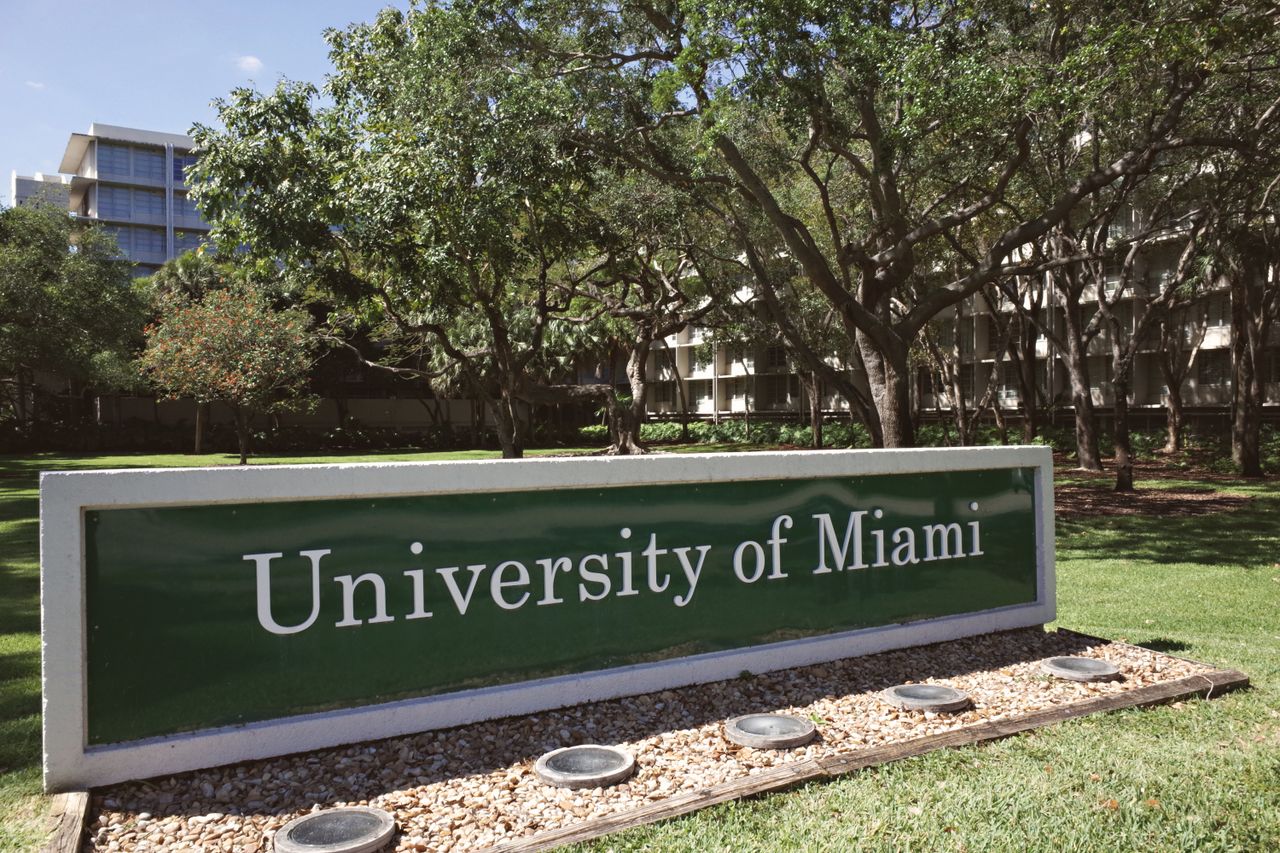
Featured coverage image. Source: Editorial desk.
Scientists at the University of Miami have discovered a novel strategy to dismantle the protective shield surrounding pancreatic tumors by targeting IL1RAP. This groundbreaking research offers a promising new avenue to enhance the efficacy of existing chemotherapy and immunotherapy treatments.
Scientists at the University of Miami have discovered a novel strategy to dismantle the protective shield surrounding pancreatic tumors by targeting IL1RAP. This groundbreaking research offers a promising new avenue to enhance the efficacy of existing chemotherapy and immunoth...
Pancreatic cancer has long presented one of oncology's most stubborn challenges. Characterized by swift cellular invasion and late-stage clinical detection, this malignancy continually blunts the impact of standard therapies. A landmark study from the University of Miami Miller School of Medicine, published on September 11, 2026, in Science, highlights a promising method to neutralize the dense cellular wall protecting these tumors, opening a viable path forward for novel therapeutic approaches.
By targeting the inflammatory signaling pathways within the surrounding tissue, researchers at the Sylvester Comprehensive Cancer Center have demonstrated how to weaken the tumor's physical defenses. This approach increases the vulnerability of cancer cells to conventional chemotherapies and emerging immunotherapies, setting the stage for more effective clinical interventions.
Pancreatic ductal adenocarcinoma (PDAC) is an aggressive malignancy originating in the exocrine cells of the pancreas, characterized by rapid invasion, early systemic spread, and the formation of a dense, fibrotic tissue barrier.
Unlike many solid tumors that develop clear early indicators, PDAC develops deep within the retroperitoneum without triggering obvious symptoms during its initial phases. Consequently, most patients present with advanced local extension or distant metastases at the time of initial diagnostic imaging.
Epidemiological data highlights the severity of this disease. Pancreatic cancer stands as the third primary cause of cancer-related mortality among American women and the fourth among American men. Public health projections indicate it may rise to the second leading cause of cancer mortality by 2030. The American Cancer Society projected approximately 66,440 new diagnoses in 2024, with figures rising to nearly 67,440 cases in 2025. Because early detection remains rare, mortality rates closely track overall incidence.
The overall five-year survival rate across all disease stages sits at 13%. When clinicians identify the disease while strictly localized to the primary site, five-year survival reaches 44%. However, less than one-fifth of patients receive a diagnosis at this localized stage, leaving the vast majority ineligible for curative surgical resection.
| Pancreatic Cancer Statistics (U.S.) | 2024 Baseline | 2025 Projections | 2030 Forecast |
|---|---|---|---|
| Estimated Annual New Cases | 66,440 | 67,440 | >70,000 |
| Overall 5-Year Survival Rate | 13% | 13% | Imprv. Target >18% |
| 5-Year Survival (Localized Disease) | 44% | 44% | Imprv. Target >50% |
| Rank in U.S. Cancer Mortality | 3rd (W) / 4th (M) | 3rd (W) / 4th (M) | Projected 2nd Overall |
The pancreatic tumor microenvironment (TME) is a complex biological network composed of cancer-associated fibroblasts, immunosuppressive myeloid cells, and a dense extracellular matrix that forms a physical and biochemical shield around malignant cells.
This dense, scar-like structural network—termed the desmoplastic stroma—creates severe logistical challenges for conventional treatment modalities:
Breaching this desmoplastic barrier without causing systemic damage has remained a primary goal in gastrointestinal oncology. Successfully opening this barrier is essential for delivering therapeutics directly to tumor cells.
+-------------------------------------------------------------------------+
|                   PANCREATIC TUMOR MICROENVIRONMENT                     |
|                                                                         |
|  +-------------------+     +--------------------+     +--------------+  |
|  | Dense Stroma      |     | Immunosuppressive  |     | Compressed   |  |
|  | & Fibroblasts     |     | Cytokine Network   |     | Vasculature  |  |
|  +---------+---------+     +---------+----------+     +-------+------+  |
|            |                         |                        |         |
|            v                         v                        v         |
|  [ Blocks Chemotherapy ]   [ Disables T Cells ]     [ Prevents Access ] |
+-------------------------------------------------------------------------+
Interleukin-1 Receptor Accessory Protein (IL1RAP) is a cell-surface receptor protein that coordinates inflammatory signaling networks, driving stroma production, immunosuppression, and therapeutic resistance in pancreatic cancer.
To overcome this barrier, researchers at the Sylvester Comprehensive Cancer Center targeted the inflammatory signaling hubs that construct and maintain the stroma. Published in Science on September 11, 2026, their findings pinpoint IL1RAP as a pivotal mediator driving desmoplastic organization.
Lead investigator Dr. Anil Datta, Professor of Gastrointestinal Oncology at the Miller School of Medicine, noted that IL1RAP coordinates the multi-cellular inflammatory cascade responsible for maintaining the protective shield around pancreatic tumors. By selectively blocking IL1RAP activity, the research team disrupted the signals that fuel stromal deposition.
In rigorous preclinical models, therapeutic blockade of IL1RAP yielded clear biological outcomes:
Combination chemoimmunotherapy involves pairing stroma-modifying agents with standard cytotoxic drugs and immune checkpoint inhibitors to maximize tumor clearance.
Modulating IL1RAP expression alters the functional landscape of pancreatic cancer management by turning a dense, resistant mass into a drug-accessible lesion. This approach enhances several treatment strategies:
This finding builds upon earlier advancements at the Sylvester Comprehensive Cancer Center, including late-2025 developments in targeted drug delivery systems and 2026 clinical trials evaluating small-molecule inhibitors for KRAS-mutant pancreatic adenocarcinomas.
+-------------------------------------------------------------------------+
|                  IL1RAP BLOCKADE COMBINATION MECHANISM                  |
|                                                                         |
|  [ Anti-IL1RAP Therapy ] ---> Dismantles Dense Fibrotic Stroma         |
|                                          |                              |
|                                          v                              |
|  +---------------------------------------+---------------------------+  |
|  |                                                                   |  |
|  v                                                                   v  |
|  [ Deep Chemotherapy Access ]            [ Cytotoxic T Cell Entry ]  |
|  (e.g., FOLFIRINOX Penetration)          (Reinstates Immune Attack)  |
|  |                                                                   |  |
|  +---------------------------------------+---------------------------+  |
|                                          |                              |
|                                          v                              |
|  [ Enhanced Tumor Shrinkage & Improved Surgical Resection Rates (R0) ]  |
+-------------------------------------------------------------------------+
Translational clinical trial protocols systematically evaluate novel targeted agents in human patient cohorts, moving laboratory research into verified bedside therapies.
Translating laboratory discoveries into approved clinical treatments requires structured, step-by-step human trials. The research team at the University of Miami is moving this discovery toward phase I/II clinical trials to evaluate safety, dosage parameters, and early efficacy markers.
The initial human trial focuses on a neoadjuvant framework. Clinicians will administer the experimental IL1RAP inhibitor alongside standard chemoimmunotherapy regimens to patients diagnosed with borderline-resectable or locally advanced pancreatic tumors prior to surgical intervention.
Dr. Datta emphasized that testing this approach prior to surgery provides a clear measure of its clinical value. Pathologists can examine the resected tumor tissue directly after surgery to evaluate stromal clearance, T-cell infiltration density, and overall tumor cell death.
If initial trials confirm safety and efficacy, researchers plan to expand testing to patients with advanced metastatic disease. These trials will evaluate whether IL1RAP inhibition can reverse treatment resistance in patients with limited remaining options.
The University of Miami's identification of IL1RAP as a regulator of pancreatic tumor stroma marks a clear shift in how researchers target resistant malignancies. Rather than focusing solely on mutating cancer cells, targeting the supportive microenvironment exposes vulnerable points in previously untreatable tumors.
As clinical trials begin, this research offers a practical strategy for overcoming resistance in pancreatic ductal adenocarcinoma. By removing the tumor's physical defenses, oncology researchers are clearing a path toward more durable clinical responses and improved patient outcomes.
Pancreatic ductal adenocarcinoma forms a dense, fibrous tissue barrier around itself known as desmoplastic stroma. This dense stroma compresses internal blood vessels, raising intratumoral pressure and physically preventing chemotherapy drugs from reaching malignant cells in effective concentrations. Additionally, the microenvironment releases immunosuppressive signaling molecules that prevent cytotoxic T cells from identifying and destroying the tumor.
Interleukin-1 Receptor Accessory Protein (IL1RAP) regulates the inflammatory signaling pathways that drive stroma creation and immune exclusion. Inhibiting IL1RAP stops these signals, reducing active cancer-associated fibroblasts and clearing the dense collagen matrix. This structural shift lowers internal fluid pressure, opens local blood vessels, and allows both chemotherapeutic drugs and cytotoxic immune cells to infiltrate the tumor core.
IL1RAP-targeted therapies are currently advancing to Phase I/II human clinical trials led by the Sylvester Comprehensive Cancer Center at the University of Miami. These initial trials evaluate safety, optimal dosing, and therapeutic efficacy in neoadjuvant settings. General clinical availability will depend on trial results, subsequent multi-center Phase III evaluations, and approval by regulatory authorities such as the U.S. FDA.
Using IL1RAP-targeted therapy alongside chemoimmunotherapy before surgery (a neoadjuvant approach) helps shrink primary tumors and clear micro-metastases in surrounding tissue. This increases the likelihood that surgeons can achieve an R0 resection—a complete surgical removal with clear, tumor-free margins—which significantly lowers the risk of post-operative disease recurrence.
Featured image by DΛVΞ GΛRCIΛ on Pexels
AI BlogX is committed to high editorial standards. For time-sensitive or critical topics, please verify claims against original primary sources.
Authoritative and trend-focused coverage across business, sports, entertainment, health, lifestyle, politics, science, and technology.
More Desks
© 2026 AI BlogX. All rights reserved.
Trend-focused editorial workflow


Stories are monitored from trending signals, then processed for accurate summaries, fact-checking, and desk oversight.
Editorial policy