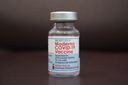
Featured coverage image. Source: Editorial desk.
A pivotal Phase 1 clinical trial for a new Ebola vaccine targeting the Bundibugyo strain has officially launched in the Democratic Republic of Congo. This vital research aims to fill a critical gap in global health preparedness against a deadly pathogen.
A pivotal Phase 1 clinical trial for a new Ebola vaccine targeting the Bundibugyo strain has officially launched in the Democratic Republic of Congo. This vital research aims to fill a critical gap in global health preparedness against a deadly pathogen.
Kinshasa, DR Congo – October 24, 2026 – Today marks a significant milestone in the global battle against one of humanity's most formidable adversaries: Ebola virus disease. In a moment brimming with scientific hope and urgent humanitarian need, a new clinical trial for an Ebola vaccine has officially launched in the Democratic Republic of Congo (DRC). This pivotal trial, focusing on a specific strain of the virus, represents a critical step forward in safeguarding communities perpetually at risk, particularly in a region that has borne the brunt of multiple devastating outbreaks.
For decades, Ebola has cast a long shadow over Central and West Africa, leaving a trail of illness, death, and profound social disruption. While remarkable progress has been made, particularly with vaccines targeting the Zaire ebolavirus species, the emergence of new outbreaks caused by different strains underscores the relentless evolution of this pathogen and the continuous need for advanced scientific solutions. The trial commencing today addresses precisely this challenge, pushing the boundaries of vaccine development to protect against the less common but equally deadly Bundibugyo ebolavirus, which has recently caused concern in the region.
This blog post will delve into the profound significance of this new trial, exploring the history of Ebola in the DRC, the existing landscape of vaccine protection, the specific threat posed by the Bundibugyo strain, and the complex environment in which this vital research will unfold. It is a story of scientific perseverance, global collaboration, and the enduring resilience of the Congolese people.
Ebola Virus Disease (EVD) is a rare but severe and often fatal illness caused by orthoebolaviruses, a group of viruses that damage blood vessels, interfere with clotting, and can affect multiple organs. Symptoms typically appear between two and 21 days after exposure, often beginning with flu-like signs such as fever, fatigue, and muscle pain, progressing in severe cases to vomiting, diarrhea, and internal or external bleeding. The virus spreads through direct contact with the bodily fluids of an infected person or animal, or contaminated objects. It is not considered airborne, except under specific medical procedures. The fatality rate has varied significantly in past outbreaks, ranging from 25% to 90%, with an average of around 50%.
The Democratic Republic of Congo (DRC) holds a somber place in the history of Ebola, being the country where the virus was first identified in 1976. Since then, the nation has experienced more Ebola outbreaks than any other country globally, facing its fourteenth outbreak as of April 2022, and the sixteenth by September 2025. These recurrent epidemics highlight the persistent public health challenge posed by the virus in the region.
One of the most devastating outbreaks in the DRC occurred between 2018 and 2020 in the eastern provinces of North Kivu and Ituri. This particular epidemic was the second-largest in recorded history, resulting in 3,262 cases and 2,232 deaths by December 2019, with a case fatality rate of 67%. Over 6.5 million people were affected by this crisis. The rapid spread was exacerbated by complex factors, including ongoing armed conflicts, significant population displacement, and widespread community mistrust and misinformation, which hindered response efforts and vaccine uptake.
The sheer scale and frequency of these outbreaks underscore the profound impact on the Congolese population. Beyond the immediate health crisis, Ebola has severely damaged livelihoods, disrupted essential healthcare services, and worsened existing humanitarian challenges such as hunger and poverty. The 2018-2020 outbreak alone saw a significant drop in patients seeking care at health centers due to fear of infection and mistrust, further compounding the health crisis. The DRC's journey with Ebola is a testament to the urgent need for comprehensive and tailored health interventions, including the continuous development and deployment of effective vaccines.
The scientific community has made tremendous strides in developing vaccines against Ebola, offering a powerful tool in preventing and controlling outbreaks. However, these successes are largely concentrated on one specific strain.
The recombinant vesicular stomatitis virus–Zaire Ebola virus (rVSV-ZEBOV) vaccine, marketed as Ervebo, stands as a beacon of hope. It was the first vaccine to receive approval in the European Union in November 2019 and subsequently in the United States, becoming the only vaccine recommended by the World Health Organization (WHO) for use against Zaire ebolavirus outbreaks. This single-dose vaccine demonstrated remarkable efficacy, showing 95-100% effectiveness against Zaire ebolavirus in trials conducted during the 2014-2016 West Africa outbreak. Real-world data from the 2018-2020 DRC outbreak further confirmed its power, with studies indicating an 84% reduction in the risk of developing the disease, and 97.5% effectiveness in stopping transmission compared to no vaccination. Over 300,000 contacts were immunized with Ervebo during that period.
Another vaccine, Zabdeno/Mvabea, was licensed by the European Union in July 2020, but it was withdrawn by the manufacturer in May 2026.
Key Milestones in Ebola Vaccine Development (Zaire Strain):
| Year | Event | Vaccine / Strain | Impact |
|---|---|---|---|
| 2014 | West Africa Outbreak Declared Public Health Emergency | rVSV-ZEBOV (Ervebo) | Accelerated clinical trials for candidate vaccines. |
| 2015 | Phase III Efficacy Trial in Guinea | rVSV-ZEBOV (Ervebo) | Demonstrated 95-100% effectiveness against Zaire ebolavirus. |
| 2018 | Vaccination Begins in 2018-2020 DRC Outbreak | rVSV-ZEBOV (Ervebo) | Over 300,000 people vaccinated, showing 97.5% effectiveness in stopping transmission. |
| 2019 | EU and US Approval of rVSV-ZEBOV (Ervebo) | rVSV-ZEBOV (Ervebo) | First licensed vaccine against Zaire ebolavirus, transforming outbreak response. |
| 2020 | EU Licenses Zabdeno/Mvabea | Zabdeno/Mvabea | Provided another option, though later withdrawn. |
Despite these triumphs, it's crucial to acknowledge that Ebola is caused by six known species of orthoebolavirus, with four causing disease in humans. Ervebo specifically targets the Zaire ebolavirus species. This leaves other virulent strains, like the Bundibugyo ebolavirus, without dedicated, approved vaccine protection. This gap underscores the continuous scientific effort needed to develop a comprehensive arsenal against all threats posed by Ebola.
While the success of the Zaire ebolavirus vaccine has been transformative, the emergence of new outbreaks caused by different strains of the virus highlights a critical vulnerability in global health preparedness. The Bundibugyo ebolavirus, in particular, has become a focal point of concern.
Bundibugyo ebolavirus causes a severe illness that can be fatal in up to 50% of those infected. Unlike the Zaire strain, there are currently no approved vaccines specifically targeting the Bundibugyo species. This lack of a specific preventative tool complicates response efforts significantly when outbreaks of this strain occur. For instance, an ongoing Bundibugyo ebolavirus outbreak was officially declared in May 2026, affecting the DRC and neighboring Uganda. This situation was deemed a Public Health Emergency of International Concern by the World Health Organization (WHO), emphasizing the urgency of developing targeted interventions.
The urgency is further magnified by the rapid spread of the Bundibugyo virus in areas already grappling with conflict, displacement, and severely limited healthcare access. World Health Organization Director-General Tedros Adhanom Ghebreyesus, PhD, stated that the Bundibugyo virus, being less common than other Ebola-causing strains, complicates the response due to the absence of specific treatments or vaccines. This public health emergency has spurred a rapid global scientific response. Scientists at Oxford University, for example, have rapidly developed the ChAdOx1 BDBV vaccine, utilizing the same viral vector platform as the successful Oxford-AstraZeneca COVID-19 vaccine. Moderna is also working on an mRNA vaccine specifically for Bundibugyo Ebola. These efforts highlight a coordinated international drive to close the protective gap against this deadly strain.
Today, October 24, 2026, marks a pivotal moment in global public health as a new Ebola vaccine trial officially launches in the Democratic Republic of Congo. This trial specifically targets the Bundibugyo ebolavirus, a strain for which there are currently no approved vaccines, offering a much-needed beacon of hope amidst the ongoing outbreak in the region.
This clinical trial is a crucial Phase 1 study, the initial step in assessing a new vaccine in humans. Phase 1 trials are designed to evaluate the vaccine's safety, determine an appropriate dosage, and understand its effects on the human body. Typically involving a small group of healthy volunteers, usually between 20 and 100 individuals, this phase is fundamental in establishing that the vaccine is safe enough to proceed to larger-scale testing. Researchers will closely monitor participants for any adverse reactions and gather preliminary data on the immune responses elicited by the vaccine.
The launch of this trial in the DRC is strategically vital. As emphasized by the European Medicines Agency (EMA) and the African Medicines Agency (AMA) in their joint position paper published on October 23, 2026, early trials for Bundibugyo virus vaccines should ideally be conducted in the African region. This approach ensures a more efficient transition to larger efficacy trials in affected populations, ultimately accelerating the development of a safe and effective vaccine tailored to the specific needs of communities experiencing these outbreaks.
Several promising vaccine candidates are in development for the Bundibugyo strain. The ChAdOx1 BDBV vaccine, developed by scientists at Oxford University, uses a similar viral vector technology to the Oxford-AstraZeneca COVID-19 vaccine and has already entered Phase 1 trials in the UK in July 2026, with University Hospital Southampton joining the effort in September 2026. Moderna is also developing an mRNA vaccine candidate (mRNA-1469) against the Bundibugyo variant, which initiated a Phase 1 trial in Canada in August 2026. The specific vaccine candidate entering trial in the DRC today reflects the culmination of global scientific collaboration and the urgent response to a critical public health threat.
This trial represents a monumental stride towards developing targeted protection against the Bundibugyo ebolavirus. As Professor Katrina Pollock, Chief Investigator of the Oxford trial and Associate Director of the Oxford Vaccine Group, noted regarding the first-in-human study of a Bundibugyo ebolavirus vaccine, it is "important in the fight against this lethal outbreak of Ebola." The commencement of this trial in the DRC brings that fight directly to the frontline, offering hope for a future where all Ebola strains can be effectively combated.
The launch of a new Ebola vaccine trial in the Democratic Republic of Congo, while a cause for immense optimism, unfolds within one of the world's most complex humanitarian landscapes. The challenges are multifaceted, ranging from deeply entrenched logistical hurdles to the critical need for sustained community trust.
Historically, vaccine deployment in the DRC has faced significant obstacles. The country's sheer size, coupled with limited transportation options and poor road infrastructure, creates immense barriers to reaching remote areas. Even during the COVID-19 pandemic, the DRC experienced low vaccine uptake, with only 2.76% of its population fully vaccinated by August 2022, and a month after vaccination began in April 2021, most doses were reallocated due to low uptake. This was attributed to challenges in planning, vaccine supply logistics, and a strong prevalence of vaccine hesitancy fueled by rumors and misinformation spread through social media and by community leaders.
The ongoing conflict in eastern DRC further exacerbates these issues. Armed violence has led to the destruction or non-functionality of a significant number of health facilities, including 70% in North Kivu by June 2025. This instability forces health-care staff and patients to flee, restricts access due to checkpoints, and makes travel unsafe. Aid workers often face insecurity and deliberate assaults, further disrupting humanitarian and health interventions. As of October 2025, 85% of health facilities in North and South Kivu were experiencing shortages of medicines, and nearly 40% had suffered an exodus of staff, according to an assessment by the International Committee of the Red Cross (ICRC).
Addressing these deeply rooted challenges requires robust strategies for risk communication and community engagement. Lessons learned from previous outbreaks emphasize that building public trust is paramount. Mistrust of response teams and denial of Ebola's existence have been linked to a lower willingness to comply with control measures and a higher intention to hide infected family members. Organizations like Doctors Without Borders/Médecins Sans Frontières (MSF) and Action Against Hunger have highlighted the importance of engaging communities, addressing fears, and combating misinformation to ensure the effectiveness of health interventions. Integrating Ebola response into existing health structures and working with trusted local health agents, such as medical students, have proven valuable in fostering cooperation.
The success of this new vaccine trial in the DRC will hinge not only on its scientific merit but also on the ability to overcome these complex operational and social challenges. It demands a holistic approach that prioritizes security, strengthens local health systems, ensures transparent communication, and empowers communities to become active partners in their own health protection.
The launch of the new Ebola vaccine trial in the Democratic Republic of Congo today represents more than just a scientific endeavor; it symbolizes a renewed commitment to global health equity and resilience. With the first vaccine against Zaire ebolavirus having already demonstrated its remarkable impact, the advancement of a targeted vaccine for the Bundibugyo strain fills a critical gap in our infectious disease arsenal. This endeavor is a testament to the power of international collaboration, bringing together researchers, health organizations, and local communities in a shared mission.
This trial, alongside ongoing efforts in various countries, reinforces the global scientific community's dedication to developing a comprehensive suite of tools against all known Ebola threats. The rapid development and initiation of trials for vaccines like the Oxford ChAdOx1 BDBV and Moderna's mRNA candidate underscore a newfound agility in pandemic preparedness, applying lessons learned from recent global health crises.
Looking forward, the success of this trial could pave the way for a future where proactive vaccination campaigns could protect vulnerable populations from various Ebola species, significantly reducing the morbidity and mortality associated with these devastating outbreaks. It underscores the importance of continued investment in research and development, particularly for neglected tropical diseases and those disproportionately affecting low-income countries. The journey from initial trial to widespread deployment will be challenging, but each step taken reinforces the hope that humanity is moving closer to a world free from the terror of Ebola.
The primary goal of the new Ebola vaccine trial launched in the Democratic Republic of Congo on October 24, 2026, is to assess the safety and determine the appropriate dosage of a vaccine candidate specifically designed to protect against the Bundibugyo ebolavirus. This is a Phase 1 clinical trial, meaning it involves a small group of healthy volunteers and aims to gather initial data on the vaccine's effects on the human body and the immune response it elicits, as there are currently no approved vaccines for this particular strain.
The Bundibugyo ebolavirus is one of six known species of orthoebolavirus, four of which cause Ebola disease in humans. While there are licensed vaccines available against the Zaire ebolavirus species (like Ervebo), there is currently no approved vaccine specifically for the Bundibugyo strain. This distinction is crucial because existing vaccines may not offer sufficient protection against other species, making specific vaccine development essential to address outbreaks caused by the Bundibugyo virus, which can be equally deadly.
Vaccine trials and deployment in the DR Congo face significant challenges, including widespread insecurity due to ongoing conflicts, severely weakened healthcare infrastructure, and logistical difficulties such as poor roads and limited transportation. Additionally, vaccine hesitancy and misinformation within communities have historically hindered uptake, as seen during the COVID-19 vaccination efforts. Overcoming these obstacles requires robust community engagement, transparent communication, and improved security to ensure safe and effective access to health interventions.
Featured image by Steve A Johnson on Unsplash
AI BlogX is committed to high editorial standards. For time-sensitive or critical topics, please verify claims against original primary sources.
Authoritative and trend-focused coverage across business, sports, entertainment, health, lifestyle, politics, science, and technology.
More Desks
© 2026 AI BlogX. All rights reserved.
Trend-focused editorial workflow
Stories are monitored from trending signals, then processed for accurate summaries, fact-checking, and desk oversight.
Editorial policy