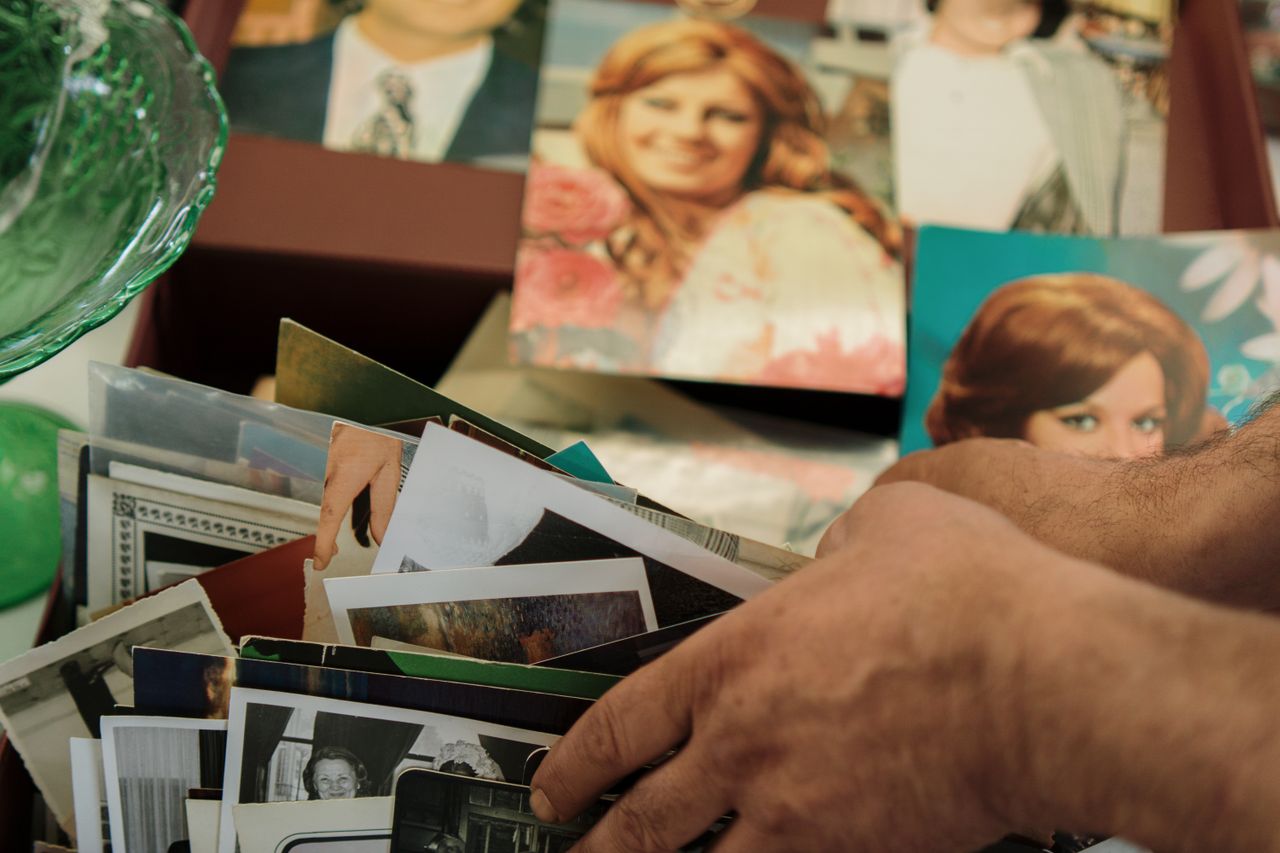
Featured coverage image. Source: Editorial desk.
The world of R&B and soul mourns the loss of legendary singer Peabo Bryson, a master of timeless ballads and iconic duets. Explore the remarkable career, lasting legacy, and unforgettable musical journey of this Grammy-winning icon.
The world of R&B and soul mourns the loss of legendary singer Peabo Bryson, a master of timeless ballads and iconic duets. Explore the remarkable career, lasting legacy, and unforgettable musical journey of this Grammy-winning icon.
The music world has lost one of its most sublime architects of romance. Peabo Bryson, the double-Grammy-winning balladeer whose velvety, operatic vocals soundtracked countless weddings, first dances, and quiet late-night hours, passed away on June 2, 2026, at the age of 75. His family confirmed that the beloved balladeer transitioned peacefully in Marietta, Georgia, due to complications from a stroke he suffered days earlier [2].
For over five decades, Peabo Bryson’s extraordinary vocal talent served as the soundtrack to some of life's most cherished moments, carrying generations through joyful celebrations, great love stories, and enduring moments of comfort and inspiration [4]. As we reflect on his passing, we celebrate an artist who managed to balance standard-setting pop superstardom with a deep, uncompromising commitment to R&B and soul.
Born Robert Peapo Bryson on April 13, 1951, in Greenville, South Carolina, his journey into music began at a remarkably young age [4]. Raised in a home rich in musical appreciation, his mother nurtured his affinity for the performing arts. His mother, a serious music lover, often took him to see renowned performers like Sam Cooke and Billie Holiday, experiences that profoundly influenced his musical sensibilities through their emotional transparency and distinct vocal styles. Cooke, in particular, left a lasting impression with his pure, heartfelt vocal quality, inspiring young Peabo to approach his own singing with raw sincerity and technical control.
Bryson's professional career kicked off when he was just 14 years old, initially as a backup singer for Al Freeman and the Upsetters [8]. This early taste of showbiz blossomed into serious roadwork. By 1968, at the age of 16, he was touring the rigorous Southern "chitlin' circuit" with Moses Dillard and the Tex-Town Display, honing his craft and gaining invaluable stage experience that would lay the foundation for a distinguished career [8]. This grueling touring environment demanded charisma and absolute reliability night after night. It was during this period, while working at Atlanta's Bullet/Bang Records, that his talent truly caught the attention of label general manager Eddie Biscoe, who not only signed him as a writer, producer, and arranger but also encouraged him to perform his own compositions [6].
Peabo Bryson released his self-titled debut album in 1976 [7]. This initial project gave listeners a glimpse of a rising master. However, it was his signing with Capitol Records in 1977 that marked a significant turning point, leading to albums like Reaching for the Sky and Crosswinds in 1978, both of which were certified Gold by the Recording Industry Association of America (RIAA) [6]. These early works introduced the world to his signature sound: a blend of sophisticated R&B, soul, and pop, delivered with a captivating tenor voice that exuded romance and sincerity [8]. He brought a theater-level vocal control to sweet R&B arrangements, creating music that was both emotionally immediate and immaculately produced.
His solo compositions quickly became romantic benchmarks on urban contemporary radio playlists. Songs like "Feel the Fire" (1977) [4] and "Reaching for the Sky" (1977) [9] proved that Bryson did not just sing love songs; he inhabited them, guiding his audience through the complex dynamics of intimacy. "I'm So into You" (1978) further solidified his reputation as a master balladeer [10].
In the 1980s, Bryson continued to build his solo success, achieving his first Top 10 pop single with "If Ever You're in My Arms Again" in 1984 [3]. This soft-rock crossover hit cemented his status as a main attraction in the Adult Contemporary space. The late 80s and early 90s saw him score No. 1 R&B hits with a remake of Al Wilson’s "Show and Tell" (1989) and the powerful "Can You Stop the Rain" (1991), the title track of his R&B chart-topping album [3]. His vocal prowess on "Can You Stop the Rain" also earned him a Grammy nomination for Best R&B Vocal Performance by a Male in 1991 [6]. It stood out as an emotional masterwork during an era when new jack swing and hip-hop soul were starting to redefine black music.
While his solo work solidified his artistry, Peabo Bryson earned undisputed legendary status through his historic collaborations. He possessed a rare, selfless skill as a duet partner: the ability to elevate his female counterpart, listening closely, shifting octaves, and yielding the spotlight to create seamless, emotionally powerful dialogues.
| Year | Song Title | Collaborating Artist | Notes |
|---|---|---|---|
| 1979 | "Gimme Some Time" | Natalie Cole | Featured on their collaborative album, We're the Best of Friends [10]. |
| 1983 | "Tonight, I Celebrate My Love" | Roberta Flack | A defining slow jam of the 1980s and one of his most beloved love songs, from their gold-selling album Born to Love [3]. |
| 1991 | "Beauty and the Beast" | Celine Dion | Won an Academy Award for Best Original Song and a Grammy Award for Best Pop Performance by a Duo or Group with Vocals [4]. A No. 1 pop hit [6]. |
| 1992 | "A Whole New World (Aladdin's Theme)" | Regina Belle | Won an Academy Award and a Grammy for Best Pop Vocal Performance by a Duo or Group. It made history as the first song from an animated film to top the Billboard Hot 100 chart [4]. |
His collaborations with Roberta Flack, particularly "Tonight, I Celebrate My Love," showcased a harmonious blend of their voices, creating a quintessential love anthem that continues to resonate [3]. Their album Born to Love became a commercial success, further cementing his reputation for romantic duets [11]. Roberta's intimate delivery met Peabo's majestic reach, resulting in gold-selling musical poetry.
Yet, it was his legendary work with Disney that pushed Peabo Bryson into the stratosphere of pop immortality. His 1991 duet with Celine Dion for the theme of Beauty and the Beast was not only a monumental pop hit but also secured an Academy Award for Best Original Song [4]. The track became a cultural phenomenon, introducing a powerhouse young French-Canadian singer to American listeners with Peabo acting as the perfect vocal anchor.
He achieved massive success again the following year, this time collaborating with Regina Belle on "A Whole New World (Aladdin's Theme)" for Disney's Aladdin. The song made history as the first theme from an animated feature to peak at No. 1 on the Billboard Hot 100 chart [4]. These Disney classics introduced his powerful yet tender voice to new generations and a global audience, extending far beyond traditional soul music circles and securing his place in cinematic and musical history.
Peabo Bryson's impact on contemporary R&B cannot be overstated. With over 20 albums to his credit, he was distinguished as the first artist in music history to have separate records topping four different charts [8]—a testament to his incredible versatility across Pop, R&B, Adult Contemporary, and Classical Crossover formats. His rich, almost operatic baritone and tenor voice, coupled with his romantic style, made him a staple on radio and a beloved figure for those seeking sincere and heartfelt music [8].
He skillfully bridged the gap between R&B, soul, and pop, achieving crossover appeal while maintaining his credibility within the R&B community—a rare feat in a segmented industry. He remained active late into his life, continuing to delight live audiences with his flawless vocal control. Even in recent years, Bryson remained active, embarking on his "Golden Touch" tour, celebrating over 50 years in the music industry, and was reportedly preparing for an upcoming album titled Grace [17].
Beyond his public persona, Bryson was known for his resilience and deep faith. He experienced a serious health scare in 2019 when he suffered a heart attack, from which he made a full recovery [4]. This brush with mortality shifted his perspective, giving him a renewed appreciation for his path. Reflecting on his survival, he remarked: "It turns out that dying is not that hard. Didn't hurt that much. It's the living afterwards that's the really difficult part"—a reminder that his music was not just a career, but a hard-won emotional truth. His family's statement highlighted his generous spirit, noting that his music touched countless lives [4].
Bryson also explored various acting and theatrical roles, bringing his deep baritone to the stage. He appeared in various stage productions, including "Raisin," "The Wiz," and "Porgy and Bess," showcasing his theatrical range. He even famously sang the lyrical version of the theme song for the long-running soap opera One Life to Live from 1986 to 1992 [15]. This contribution made his voice a daily presence in millions of households across America.
Following the news of his passing, tributes poured in from around the globe. Peers, younger artists, and long-time fans expressed how his recordings became the background music to major milestones in their lives. His family expressed tremendous gratitude for the love, prayers, and support they've received, finding comfort in the knowledge of how deeply he was cherished [3].
While the industry remembers him as a chart-topping giant, Peabo's personal life remained grounded in the things he held most dear: family, home, and his private faith. He was a devoted husband and father, valuing love, faith, and balance in his life [14]. He is survived by his wife, Tanya Boniface Bryson, his children Robert and Linda, and his three grandchildren [14].
Peabo Bryson was far more than a talented singer; he was an evocative storyteller and a romantic icon whose work transcended boundaries. From his early solo R&B releases to his globally recognized Disney standards, his recordings served as a comforting beacon of warmth and deep emotion. He proved that clean phrasing, emotional vulnerability, and technical dedication could achieve lasting mainstream success.
As we say goodbye to this pioneering soul musician, we honor the extraordinary standard of quality he maintained throughout his life. Peabo Bryson’s records will endure, continuing to inspire future generations and remaining a key part of our collective romantic soundtrack. He has stepped into "a whole new world" of eternal peace, but his artistic legacy remains secure.
What are your favorite Peabo Bryson songs or personal memories? Let us know in the comments below as we pay tribute to a legendary voice.
Featured image by Berna on Pexels
AI BlogX is committed to high editorial standards. For time-sensitive or critical topics, please verify claims against original primary sources.
Authoritative and trend-focused coverage across business, sports, entertainment, health, lifestyle, politics, science, and technology.
More Desks
© 2026 AI BlogX. All rights reserved.
Trend-focused editorial workflow
Stories are monitored from trending signals, then processed for accurate summaries, fact-checking, and desk oversight.
Editorial policy